In recognition of National Preparedness Month, several state agencies are reminding Nevada residents the importance of planning and preparing for any emergency. Specifically, these public safety agencies urge citizens to be aware of specific needs they may have if an emergency strikes.
Those things are: medication, power needs, eye glasses, medical equipment, devices that you may count on, pet needs, etc.
The Nevada Department of Public Safety’s Division of Emergency Management, Nevada National Guard, Division of Public and Behavioral Health’s Public Health Preparedness Program and the Department of Conservation and Natural Resources advise citizens to assemble an emergency supply kit.
By making an essentials emergency kit now, it will be important if people should have to evacuate at a moment’s notice, according to a release from the agencies.
Assemble an Emergency Supply Kit
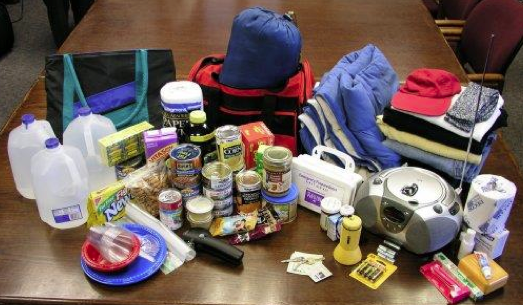
Family emergency supplies can be contained in a large container or box, a backpack or a suitcase and can be assembled over several months by adding just one or two items to a grocery list. A kit should include food, water, a first-aid kit, tools, copies of important documents, clothing and bedding, medications and pet supplies. A preparedness kit should include enough supplies to sustain everyone in the household for as many as three weeks.
— One gallon of water per person per day and fluids with electrolytes that will last for as many as three weeks
— Non-perishable food, ready-to-eat canned meats, soups, fruits, vegetables, peanut butter, protein bars, utensils, can openers, sterno heating
— Medical supplies, equipment, first aid kits
— Non-electric can opener
— Change of clothing, rain gear and sturdy shoes for every person in your household
— Blankets and/or sleeping bags
— Battery-powered radio, flashlight and plenty of extra batteries
— Credit cards and cash
— Extra set of car keys
— List of important family information; the style and serial number of medical devices
— Special items for infants, elderly or disabled family members. i.e. Baby formula and diapers Prescription and over-the-counter medications
— Extra eyeglasses
— Garbage bags, tools
— Toiletries, including soap
Don’t forget to prepare for your pets. Many shelters might not be able to accommodate pets. Before an emergency occurs, check hotels, motels or shelters to see which will be able to accept pets.
Prepare a kit for your pets as well and remember to include any medical information and vaccination records, medication, supplies, leashes, dry food, water, litter, ID tags and toys.
Check with your vet about the pet carrier that is appropriate for your animal and microchip pets so you can find them if you are separated. Go here more information on assembling an emergency disaster kit.