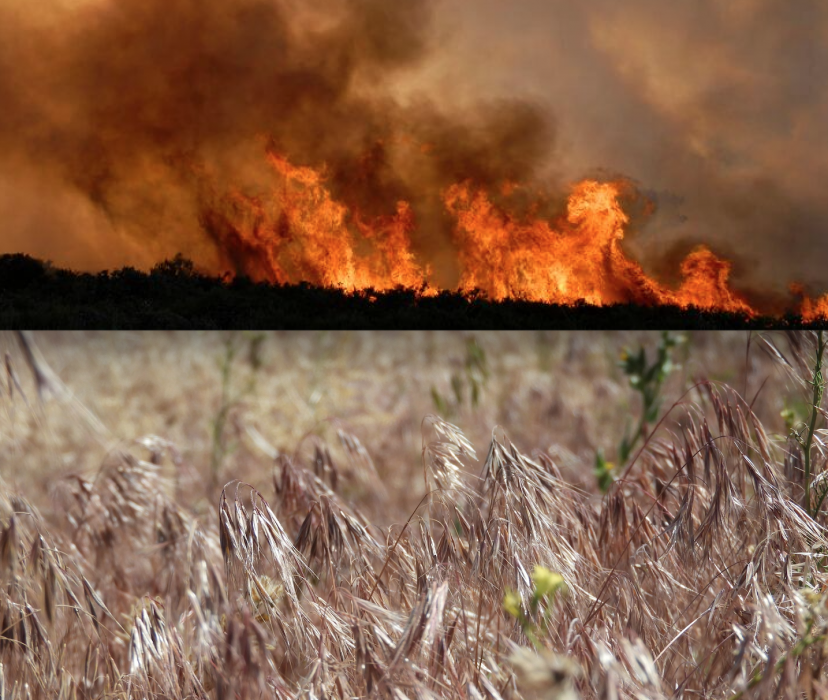
Due to increased fire danger, Stage 1 Fire Restrictions begin on Monday, June 22, 2026. These restrictions apply to lands within or managed by the following agencies: Bureau of Land Management, Bureau of Indian Affairs, Bureau of Reclamation, U.S. Fish & Wildlife Service, and Nevada Division of Forestry.
These restrictions will remain in effect until rescinded.
“As temperatures rise, fire danger increases,” said Jonathan Palma, BLM Carson City District Fire Management Officer. “The public can help reduce wildfire risks by knowing and following fire restrictions, as well as staying alert and avoiding activities that can cause sparks, especially during red flag days.”
Stage 1 fire restrictions prohibit:
- Building, maintaining, attending, or using a fire (wood, charcoal, or any other material), campfire, or stove fire*.
- Except by permit or when in a developed fee campground or picnic area.
- *Following stoves permitted: portable stove using gas, jellied petroleum, or pressurized liquid fuel.
- Smoking, except within an enclosed vehicle or building, a developed recreation site, or when stopped in an area at least 3 feet in diameter that is barren or cleared of all flammable material.
- Operating or parking vehicles or other motorized equipment over or on top of dried/cured vegetation.
- Welding, metal grinding, or operating an acetylene or other torch with open flame (except by permit).
Individuals who knowingly and willfully engage in restricted or prohibited activities may face fines and be held responsible for any firesuppression or rehabilitation costs that result from their actions.
Jurisdictions and their Specific Restrictions
Agencies may have additional restrictions or exemptions. Fire restrictions may be entirely different in other parts of Nevada. Always check an area’s specific restrictions before visiting. The public is urged to reach out to agencies with questions using the hyperlinks below and visit NevadaFireInfo.org/restrictions for a map of current restrictions, and questions and answers.
Bureau of Land Management, Carson City District
All areas, roads, and trails on all public lands within the BLM-Carson City District. These restrictions are in addition to and not separate from those which were issued at the BLM state level. Please visit nevadafireinfo.org to access the BLM’s statewide fireprevention order.
Bureau of Indian Affairs – All lands administered by the BIA located within or adjacent to the BLM NV Carson City District. Approximately 300 allotments encompassing 59,310 acres in Douglas County, Nevada, within the Carson Watershed that the U.S. Government (BIA) holds in trust for hundreds of individual Indian landowners, collectively known as the Pine Nut Allotments.
Bureau of Reclamation – The order applies to Reclamation-administered lands within the Newlands Project boundary administered by the Lahontan Basin Area Office, in Churchill, Lyon, Storey, and Washoe counties. Exception: the Lahontan Recreation Area.
US Fish and Wildlife Service – All areas, roads, and trails within the boundaries of the Stillwater, Anaho Island and Fallon National Wildlife Refuges. Campfires are prohibited on these refuge lands year-round.
US Forest Service
All USFS areas, roads and trails in the Bridgeport Ranger District, east of Highway 395, that are outside of developed recreation sites.
Nevada Division of Forestry – All State Lands, Nevada State Parks and Recreation
in Carson City, Douglas, Lander, Lyon, Pershing, and Humboldt Counties, including Lahontan State Recreation Area, Rye Patch State Recreation Area, Washoe Lake State Park, Mormon Station State Historic Park, Walker River State Recreation Area, Dayton State Park, Fort Churchill State Historic Park, and Berlin-Ichthyosaur State Park.
State Park staff may further restrict activities, such as building and maintaining campfires within approved fireenclosures or designated picnic areas, based on local conditions and when “Red Flag” conditions are in place.
Please note that beach campfires are permitted at Lahontan State Recreation Area only, provided the fire is attended at all times and a minimum 100-foot radius surrounding the fire where there is no flammable vegetation and combustible materials. Campfires must be fully extinguished before leaving the area.