There’s a booze bonanza happening in Carson City — and not just in the many bars near the Capitol. Two measures caught our attention.
AB375 would make the Picon Punch the state drink and allow for cocktails to go. Assembly Speaker Steve Yeager (D-Las Vegas), who is sponsoring the bill with Assm. Bert Gurr (R-Elko), said the measure will help local businesses, reduce the number of people driving under the influence and implement a fee of up to 50 cents on each cocktail that will be collected to pay for DUI enforcement and education.
- “During COVID, we actually did allow alcohol delivery. A lot of restaurants weren’t open, and so this is a concept I’ve been thinking about,” Yeager said in an interview last week. “The idea here, really, is that it’s going to be delivered to your house, and then you’ll be able to consume it there.”
- Gurr originally proposed making Picon Punch as the state drink as a separate bill, but Yeager said the combined nature of AB375 reduces the number of hearings legislators need to have.
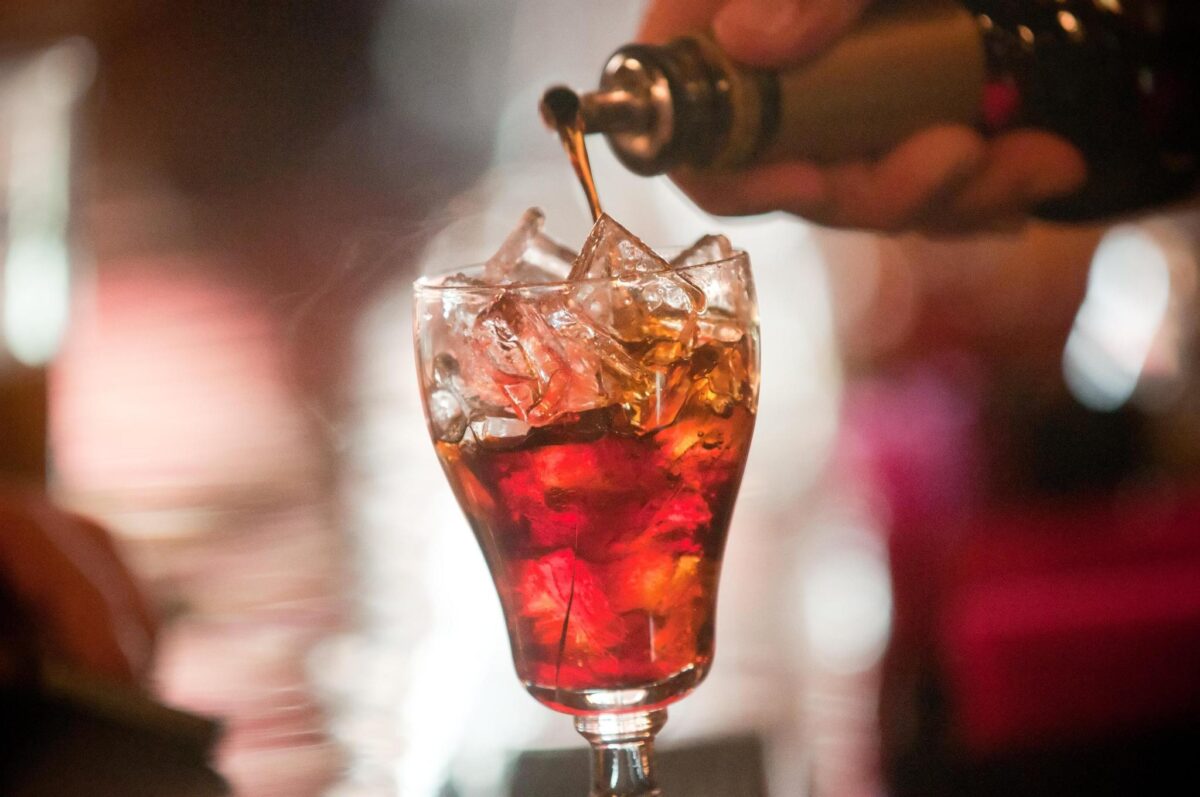
- Context: Picon Punch is a highball cocktail made with Torani Amer, an aperitif that is made with herbs and burnt orange peel, grenadine, soda water, a brandy float and a lemon peel twist. The drink, associated with the Basque communities of the American West, was invented in California but is considered a rite of passage in Nevada.
- The bill was heard in the Assembly Commerce and Labor Committee on March 24 — the same day the Legislature celebrated Basque heritage. It received strong support from the business community, but opposition from the Nevada Resort Association, which wants a prohibition on deliveries to resorts.
- Gurr originally proposed making Picon Punch as the state drink as a separate bill, but Yeager said the combined nature of AB375 reduces the number of hearings legislators need to have.
- The bill would also establish a statewide framework for legalizing alcohol-to-go sales, but local governments can decide whether to adopt the policy or place additional restrictions on it. The legislation specifies that alcohol or cocktails have to be in a closed, tamper-proof container and does not change existing open-container laws, which are usually designed to reduce public intoxication and prevent drunk driving.
- Laws about open containers on the street vary by local jurisdiction, but it’s legal to carry an open container of alcohol on the Las Vegas Strip.
- The Nevada Restaurant Association has also submitted an amendment for the bill to apply to all alcoholic beverages, not only mixed drinks. Yeager conceded at Monday’s hearing that “there’s a lot of work to do on this bill.”
- Laws about open containers on the street vary by local jurisdiction, but it’s legal to carry an open container of alcohol on the Las Vegas Strip.
- Proponents project that the 50-cent fee would generate more than $11.4 million annually to support DUI prevention efforts.
- They also noted that after New York implemented alcohol-to-go, restaurants saw a median increase of $3,000 per month from off-premises alcohol sales, resulting in $30 million in additional statewide revenue per month.
- Hangover potential: The 50-cent surcharge is considered a tax, meaning the bill would need to get two-thirds of lawmakers to approve it. Lombardo has also pledged to not raise taxes while governor.
AB404 would allow craft brewers to move products from their breweries to their own off-site tasting rooms or taprooms without going through a distributor.
- Nevada law currently requires all beer to go through an independent distributor, even if the same company is brewing the beer and selling it at another location. “They basically have to sell their beer as a producer to a distributor, then buy it back off the distributor as a retailer in order to sell it at their taproom,” said Assm. Howard Watts (D-Las Vegas), the bill’s sponsor.
- In the 2023 session, a similar bill sponsored by Sen. Rochelle Nguyen (D-Las Vegas) died in committee. It received strong opposition from alcohol wholesalers who said the proposal would upend the state’s three-tier distribution ecosystem.
- Context: Distributors contributed more than $100,000 to lawmakers in the 2024 election cycle.
- This year’s bill differs in that it limits craft brewers to move products to only three of their own tasting rooms or taprooms. The 2023 bill had no such restriction.
- “There are concerns of this kind of going out of control,” Watts said. “We think that’s a pretty reasonable approach to allow small businesses to grow and to move into other locations across the community.”
— This story was written by Tabitha Mueller and Eric Neugeboren and is used with permission of The Nevada Independent. Go here for updates to this and other Nevada Independent stories.