Samantha Thompson, DCNR

The Nevada Department of Conservation and Natural Resources aims to educate residents about threats posed by invasive plants, animals and microorganisms in the Silver State during National Invasive Species Awareness Week, being recognized now through March 2.
Invasive species pose a threat statewide and can have devastating effects on native ecosystems, threaten agricultural food production, and harm public health without proper measures to keep them under control.
Whether it be an invasive insect pest or a non-native invasive grass like cheatgrass, these species can increase the threat of wildfire, degrade water quality, and undermine recreational opportunities within the ecosystem. For example, invasive weeds can clog waterways, kill native trees, and shade out crops and native plants.
In Nevada, some of the most significant invasive species include cheatgrass, whitetop, asian clams, zebra quagga mussels, tamarisk, and knapweed. Several divisions within DCNR, including State Parks, Forestry, the Natural Heritage Program, the Sagebrush Ecosystem Program and the Conservation District Program, work collaboratively with other state and local agencies to manage invasive species for the protection of Nevada’s natural resources and habitats.
“The Department of Conservation and Natural Resources is dedicated to ensuring Nevada residents can live, work, and play in healthy, thriving greenspaces,” said Bradley Crowell, Director of DCNR. “As part of this commitment, our divisions have fostered dynamic partnerships and model processes that aid in preserving native ecosystems, mitigating invasive species, and enhancing the natural beauty and vibrancy of communities throughout the state.”
A few examples of invasive species management projects performed by DCNR divisions and partnering agencies include:
— The Nevada Division of State Parks and the Nevada Division of Forestry collaborate on a variety of vegetative management projects, such as bringing in livestock to graze in weeded areas, which is known as the most environmentally-friendly abatement method. The divisions also partner with the Nevada Department of Corrections, as inmates build fencing to contain grazing livestock.
— The Nevada Division of State Parks works with the Tahoe Regional Planning Agency to fund boat inspectors at main boat docks in Nevada, including Sand Harbor and Cave Rock, to help prevent the introduction and spread of aquatic invasive species in Lake Tahoe.
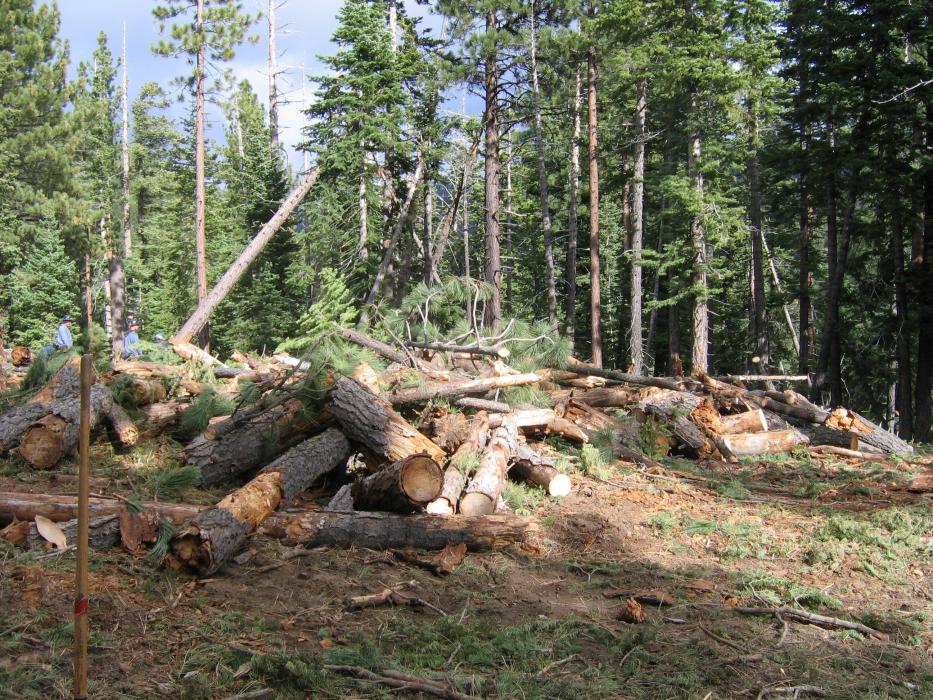
— The Nevada Division of Forestry manages forest and rangeland and watershed health, fuel reduction, and protection and preservation of flora (including state listed endangered plant species). The Nevada Division of Forestry also has two nurseries and a seedbank facility for collection and propagation of species to compete with aggressive invasive species, and works with communities and other agencies to apply treatments at a landscape scale and across jurisdictional boundaries.
— Nevada’s 28 Conservation Districts work in conjunction with local, state, and federal agencies to address invasive and noxious species, based on each of the unique ecosystems within the state. Nevada’s Conservation Districts also bring together available technical, financial, and educational resources, and coordinate these resources to meet the needs of landowners and land users.
— Nevada Sagebrush Ecosystem Program staff helps coordinate projects to improve Sage-grouse habitat, including the control of invasive species such as cheatgrass.
— Nevada Natural Heritage Program staff recently participated in an Aquatic Invasive Species Prevention Program, an initiative through the Nevada Department of Wildlife, designed to prevent the spread/introduction of aquatic invasive species in Nevada’s waterways.
Go here to learn more about the Nevada Department of Conservation and Natural Resources or other invasive species initiatives.