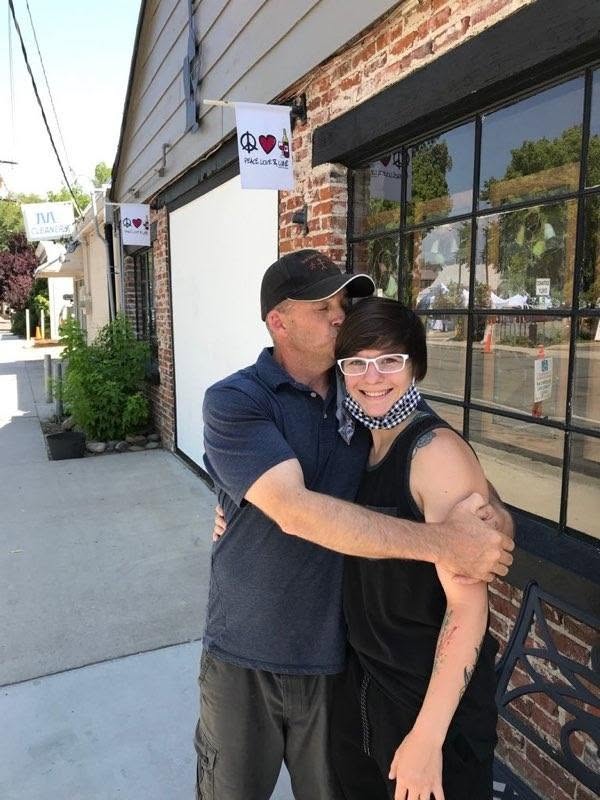
When a teenager goes through a severe mental health crisis in Carson City, our local system treats them like criminals instead of kids who need doctor care. I know this because my daughter, Kiyah, got trapped in that exact system. Instead of giving her real therapy, Carson City Juvenile Services relied on court orders, probation rules, and locking her up in places like Western Nevada Regional Youth Center and Aurora Pines in Minden.
Kiyah wasn’t a criminal. She was a child suffering from terrible depression while watching her mother’s health slip away until her death in 2019. I went to juvenile probation asking for help, but instead of providing treatment, they kept her on probation from age 15 all the way until she turned 18.
Isolating her away from her dying mother destroyed her mind and filled her with unbearable guilt. Being locked away in institutions forced her toward drugs just to cope with the severe stress and depression. When she finally turned 18, [removed] and [removed] forced her to serve an additional 30 days in adult jail.

Three years after her mom’s death and many attempts for moving on, Kiyah took an AR-15 to her mouth and pulled the trigger. The guilt and trauma destroyed her, and the system ignored every warning I gave them. I’m left to the blame of not fighting harder against [removed] and [their] superiors.
What happened to my daughter isn’t just an isolated accident. It is a statewide habit.
In a landmark investigation, the U.S Department of Justice, found that Nevada systematically violates federal law by funneling children with behavioral health issues into institutional facilities instead of providing community treatment. The federal report pointed directly to how kids in Nevada are routinely institutionalized because community crisis care doesn’t exist. While Clark County gets most of the headlines, Northern Nevada juvenile services uses the exact same playbook—punishing kids for being sick.
People who defend the current setup will tell you that places like WNYRC or Aurora Pines are necessary for safety and structure. They argue courts only step in when parents run out of options and there’s nowhere else for a troubled kid to go.
That argument is completely wrong because locking kids up isn’t healthcare. Guarding a teenager behind locked doors doesn’t fix trauma or depression. When you take a struggling child and stick them in a facility built around discipline and security, you just strip away the family support they need to survive.
Carson City needs to stop using juvenile probation as a substitute for mental healthcare. The Judicial District Court and Carson City Juvenile Services must build real diversion pathways so licensed mental health professionals take over these cases before court papers get filed. Resources must be moved out of detention facilities and put into community-based crisis therapy right here in Carson City.
We cannot keep sending our kids to regional lockups and pretend it’s helping them heal. My daughter paid with her life for a system that chooses punishment over care. Carson City has to change this right now before another family loses their child.
– Timothy Davis, Carson City
Editor’s note: In keeping with our policies against what could be viewed as personal attacks within community-submitted opinion pieces or letters to the editors, we made the choice to remove the names and/or identifiable information of named individuals from this piece. No other details have been changed from the writer’s original submission. See our guidelines on submissions at the link below.
Interested in having your voice heard? We want to hear from you!
Learn how to submit an Opinion Piece or a Letter to the Editors.