Political polarization in the United States has reached a point where even Thanksgiving dinner conversations can feel like ideological battlegrounds. Social media algorithms amplify division, traditional media fuels outrage, and neighbors find themselves at odds over everything from healthcare to street names. But there might be one arena—literally—that still has the power to bring us together: sports.
From small-town Friday night lights to the Super Bowl, sports remain one of the few shared rituals that cut across party lines. And in a moment where extremism threatens to erode our sense of community, sports might be one of the best tools we have to restore it.
The Common Ground We’ve Been Losing
One of the most destructive features of modern polarization is the erosion of “shared spaces”—those moments where people of different political, cultural, or economic backgrounds naturally mix. Historically, churches, schools, local civic groups, and even popular TV shows provided that kind of mingling.
Today, many of those shared spaces have splintered. Social media feeds tailor content to reinforce our biases. Streaming services let us avoid “the other side’s” shows entirely. Even neighborhoods are becoming more ideologically homogenous. This isolation gives extremism fertile soil. When we no longer see the humanity of those who disagree with us, it’s easier to caricature, demonize, or dismiss them entirely.
Sports, however, still create moments where people from wildly different backgrounds can cheer for the same goal—sometimes literally.
Stadiums as Civic Spaces
Walk into a ballpark, stadium, or high school gym, and you’ll find a cross-section of America: conservatives, progressives, independents, and those who would rather not think about politics at all. They stand side by side for the national anthem, high-five strangers after touchdowns, and share collective heartbreak after a missed shot at the buzzer.
These shared emotional experiences are powerful. Psychologists call them “communitas”—moments where a group experiences collective joy or pain and emerges more bonded. Political differences don’t vanish, but for a few hours they matter less. That matters deeply in a culture struggling to remember what we have in common.
Sports as a Training Ground for Democracy
Sports also model values that healthy democracies depend on: rules, fair play, respect for referees (even if we boo them), and the idea that your opponent isn’t your enemy—just someone you have to beat this time.
The rituals of competition teach patience and perspective. A team loses? There’s always next season. The ref makes a bad call? You get mad, then you keep playing. The score is settled on the field, not by refusing to recognize the outcome. Imagine if our political process worked the same way—with losers conceding gracefully, winners showing humility, and everyone agreeing to come back next cycle.
The Role of Local Sports
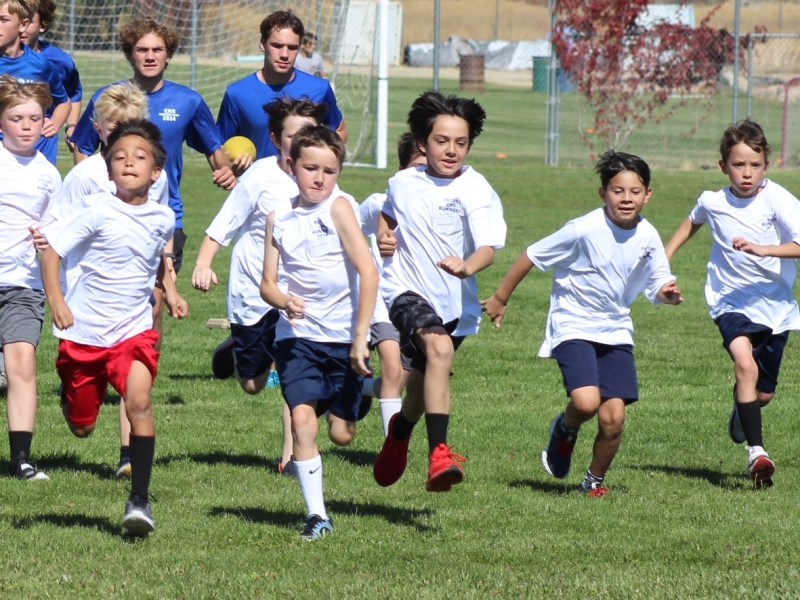
Professional sports get most of the attention, but local and amateur athletics may be even more important for social healing. Local sports create direct human connection: parents coaching together, kids learning teamwork, volunteers running snack shacks. These interactions humanize neighbors we might otherwise dismiss because of a yard sign in November.
When parents from opposite sides of the political spectrum work together to get the baseball field ready for a tournament, they remember that they have a shared stake in the community—and that’s a powerful antidote to extremism.
A Way Forward
We cannot fix polarization overnight, but we can expand the spaces where people encounter one another as fellow humans rather than avatars for their political tribe. Sports offer that space, and we should invest in keeping it healthy—by funding community leagues, protecting youth sports programs, and treating stadiums as modern civic squares.
If America is going to pull back from political extremism (yes, we are there) it won’t happen through more shouting on cable news or Twitter/X. It might just happen on a Friday night, under the lights, where a group of parents from every corner of the political map cheer for the same team and remember, even for a moment, that they are on the same team too.
by Chris J Graham, Carson City
Interested in having your voice heard? We want to hear from you!
Learn how to submit an Opinion Piece or a Letter to the Editors.