Response Regarding the Virginia Range Fencing Project
I believe the statement provided by the Nevada Department of Agriculture to Carson Now creates a misleading impression and lacks the transparency the public deserves.
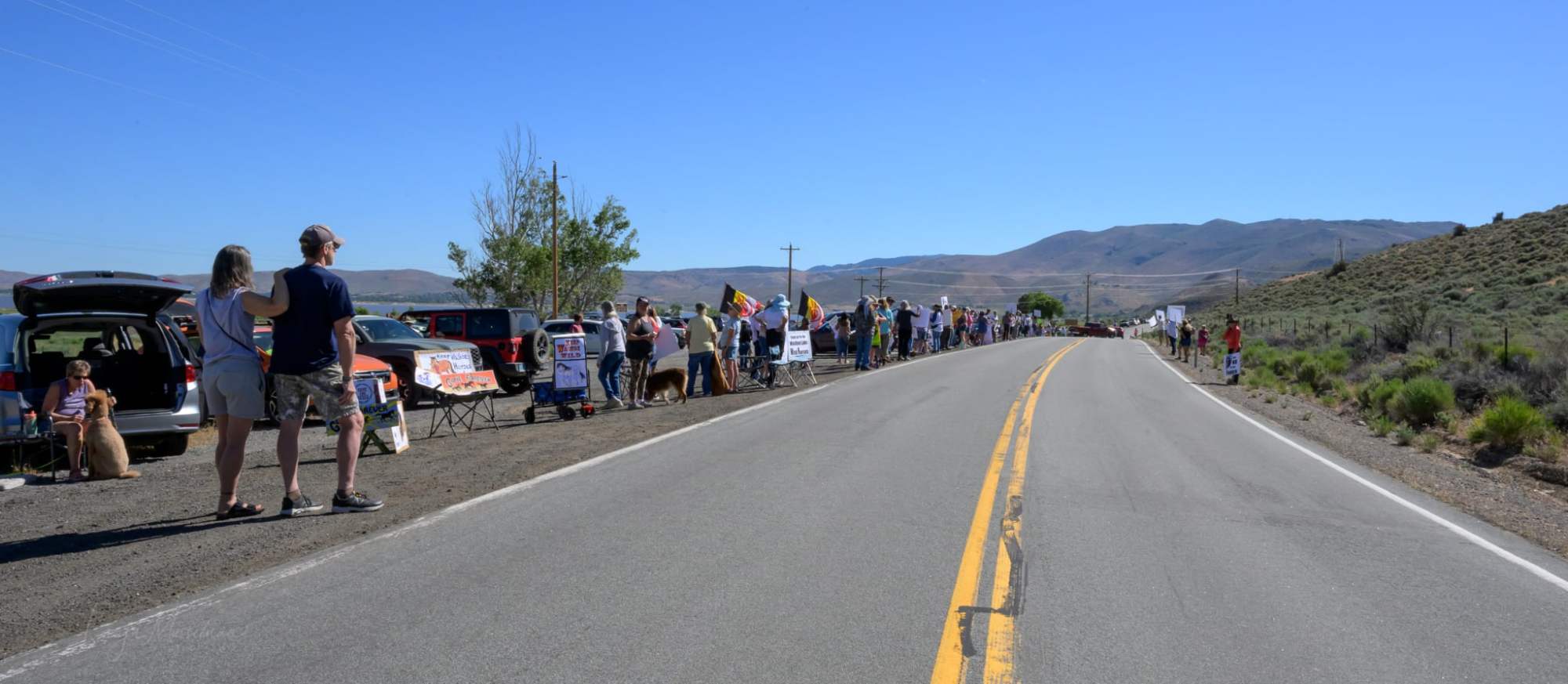
Our Keep Washoe Wild Rally on Saturday brought together more than 200 concerned citizens who came to voice their opposition to the Virginia Range Fencing Project and to ask for meaningful public involvement before irreversible actions are taken.
The Nevada Department of Agriculture stated, “At this time, no active construction of new fencing by NDA is taking place.” While that statement may technically be true today, it does not mean that construction cannot begin next week or next month without further notice to the public.
On May 6, 2026, a Record of Decision was signed allowing the project to proceed under DOI-BLM-NV-C020-2026-0016-CE. Because this decision was made through a process that did not provide an opportunity for public comment, many citizens are deeply concerned that fencing could begin at any time without additional public notification or discussion.
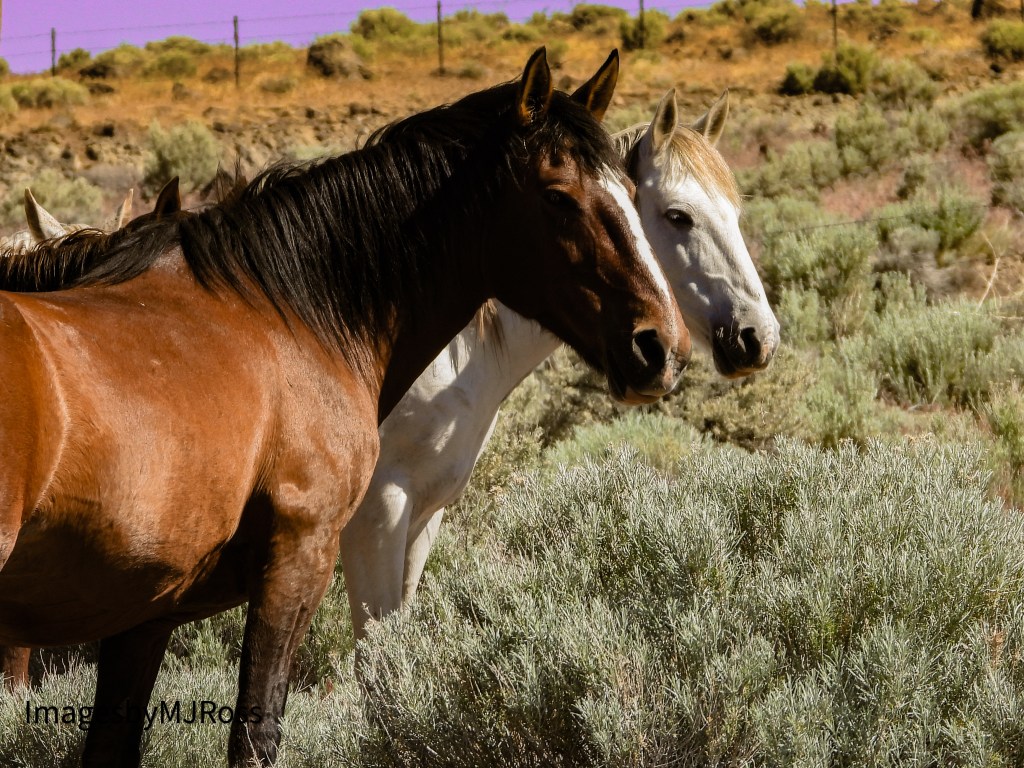

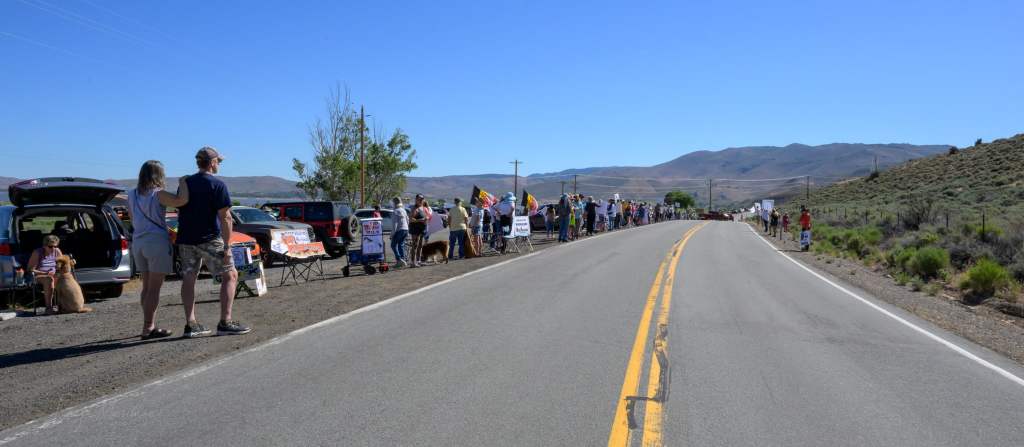
Everyone wants to improve public safety, but there are alternatives that deserve serious consideration before permanently fencing wild horses away from an area they have relied upon for generations.
Why were warning signs never installed along Eastlake Boulevard to alert drivers that horses may be present? Why haven’t speed-calming measures been installed where horses regularly cross? Wildlife detection systems that activate flashing warning lights when animals approach roadways are already being used successfully in many areas, and wildlife crossings or overpasses have also proven effective in reducing collisions.
These options should be thoroughly explored before fencing is used to alter the natural movements of the Virginia Range horses.
Wild horses depend on established travel corridors to reach dependable water sources. They often travel many miles in search of water, crossing roads and highways along the way. Blocking those traditional routes may force horses into unfamiliar areas, increasing the likelihood of vehicle collisions and creating even greater public safety concerns.
Horses also tend to remain near limited water sources, even when those sources cannot sustain large numbers of animals. As water levels decline, horses can become trapped in deep mud while attempting to reach the remaining water. Dominant horses often defend critical resources, preventing weaker horses from drinking and increasing the risk of dehydration. Competition over scarce water can also lead to aggressive encounters between stallions, placing mares and foals at risk of injury.
This issue is far more complex than simply keeping horses out of a park or away from a roadway. It is about disrupting long-established migration patterns, restricting access to essential water sources, and creating new risks for both the horses and the public.
The public deserves transparency, meaningful public participation, and a genuine discussion of humane alternatives before this project moves forward.
Letter to the Editor submitted by Monica Ross
Interested in having your voice heard? We want to hear from you!
Learn how to submit an Opinion Piece or a Letter to the Editors.