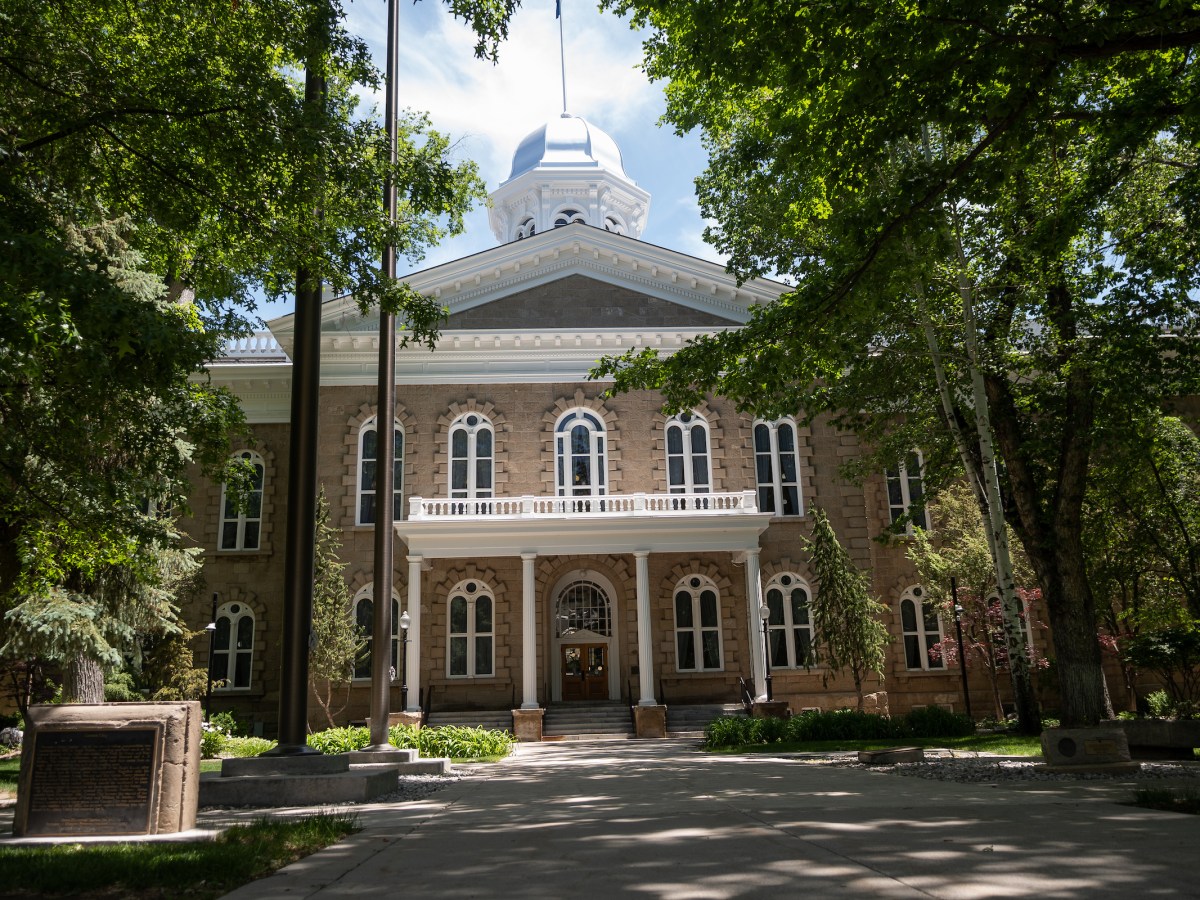
By Howard Stutz — Despite winning approval from both legislative houses two years ago, an effort to end the state’s ban on lotteries met the same fate as every similar proposal that has been introduced since 1899.
Last Friday’s death of AJR5 — the deadline for bills to pass out of their first committee in the Legislature — came quickly and without a hearing in the Assembly.
Speaker Steve Yeager (D-Las Vegas) said in a statement that economic uncertainty, implementation costs and the small amount of projected revenue were reasons for not moving the proposal forward.
The legislation was backed by Culinary Workers Union Local 226, but the lead sponsor, Assm. C.H. Miller (D-North Las Vegas), did not seek re-election.
Yeager, who voted in favor of AJR5 in 2023, told The Nevada Independent on Monday that he had not spoken with any of the lottery bill’s proponents until a few weeks ago.
“It was never brought up to me until the Culinary asked when we were going to have a hearing,” Yeager said. “It was like no one worked on it.”
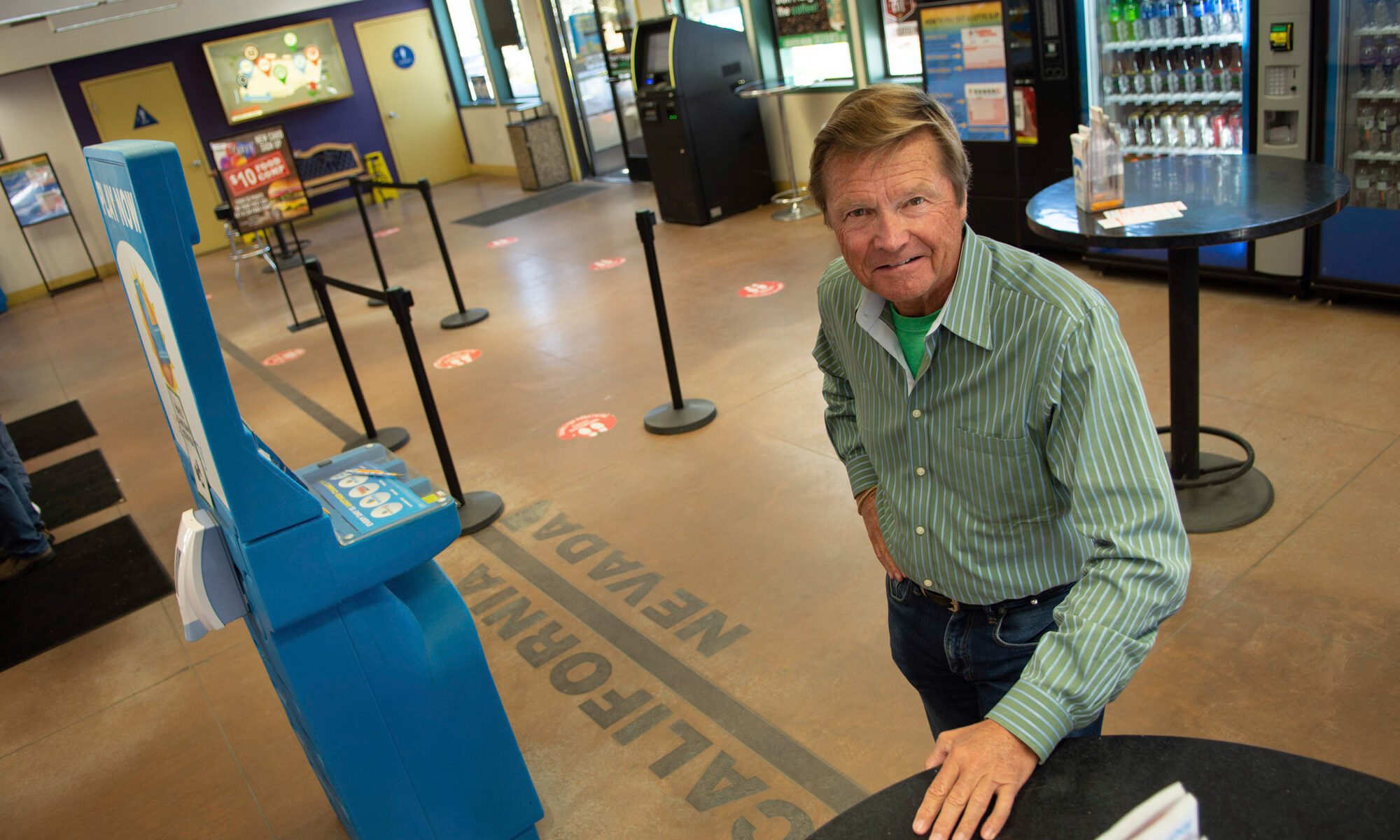
The rejection means Nevadans who want to buy Powerball or Megabucks tickets will still have to travel to California. Primm casino operator Affinity Gaming and Northern Nevada-based Truckee Gaming sell lottery tickets at outlets across the state line.
The union has long suggested that proceeds from a Nevada lottery would support youth mental health programs, although the eight-page legislation made no mention of how the funds would be used — just that it would end the state constitutional ban on lotteries.
In late March, the union released a poll that found 84 percent of Nevadans supported the creation of a state lottery, including the use of the proceeds for youth mental health services.
In a statement Monday, Culinary Secretary-Treasurer Ted Pappageorge criticized Democratic leadership for not holding a hearing on the bill and “killing legislation they supported last session and denying Nevadans the opportunity to have their voices heard.”
A constitutional change is required for a lottery, and the measure would have needed to be approved by both legislative houses in successive sessions before voters could weigh in.

The Nevada Resort Association opposed the lottery two years ago. Once the session ended, the group began working to persuade lawmakers — including legislative candidates in the 2024 election — that having a lottery in Nevada doesn’t work.
Resort Association President Virginia Valentine applauded lawmakers for killing the resolution in a text message Monday, saying that they would have hurt the state’s casino industry. She cited a recent report produced for the group by Applied Analysis showing Nevada’s casino industry supported more than 436,000 jobs and generated an annual economic impact of nearly $100 billion.
“We applaud [lawmakers’] decision not to revisit changing Nevada’s Constitution and overturning longstanding state policy,” Valentine wrote.
“The Resort Association did what you would expect them to do. They mobilized and talked to people about their concerns,” Yeager said. “You can decide whether those concerns are legitimate or not, but they made the effort. Nobody on the proponent side made any effort whatsoever.”
The 2023 effort was the first time since 1899 that state lawmakers passed a lottery bill, which was defeated in the 1901 session.
Nevada is one of five states without a lottery, and gaming leaders said it isn’t needed, given that the statewide casino industry produced a record $15.6 billion in revenue in 2024.
Gambling plays a minuscule economic role in the other four non-lottery states: Hawaii and Utah don’t have any forms of legal gambling, while Alabama and Alaska have only tribal casinos.
Pappageorge said lawmakers should have allowed voters to make the ultimate decision on the state having a lottery.
“When politicians talk about democracy being at risk but block Nevadans from voting on something as straightforward as a state lottery, their words ring hollow,” Pappageorge said.
The issue has never made it to a Nevada ballot. More than two dozen lottery measures have been introduced in Carson City since 1977 — all have either died in committee or were rejected in one of the houses.
This story is used with permission of The Nevada Independent. Go here for updates to this and other Nevada Independent stories.