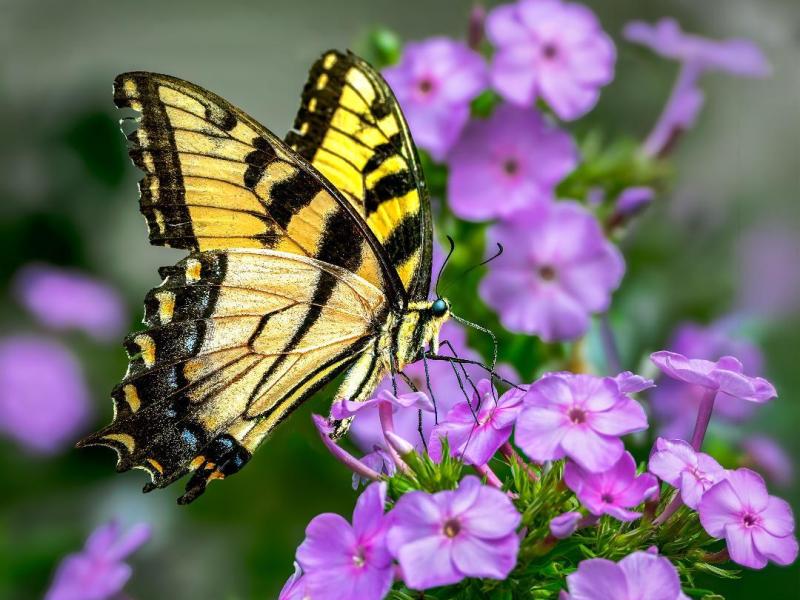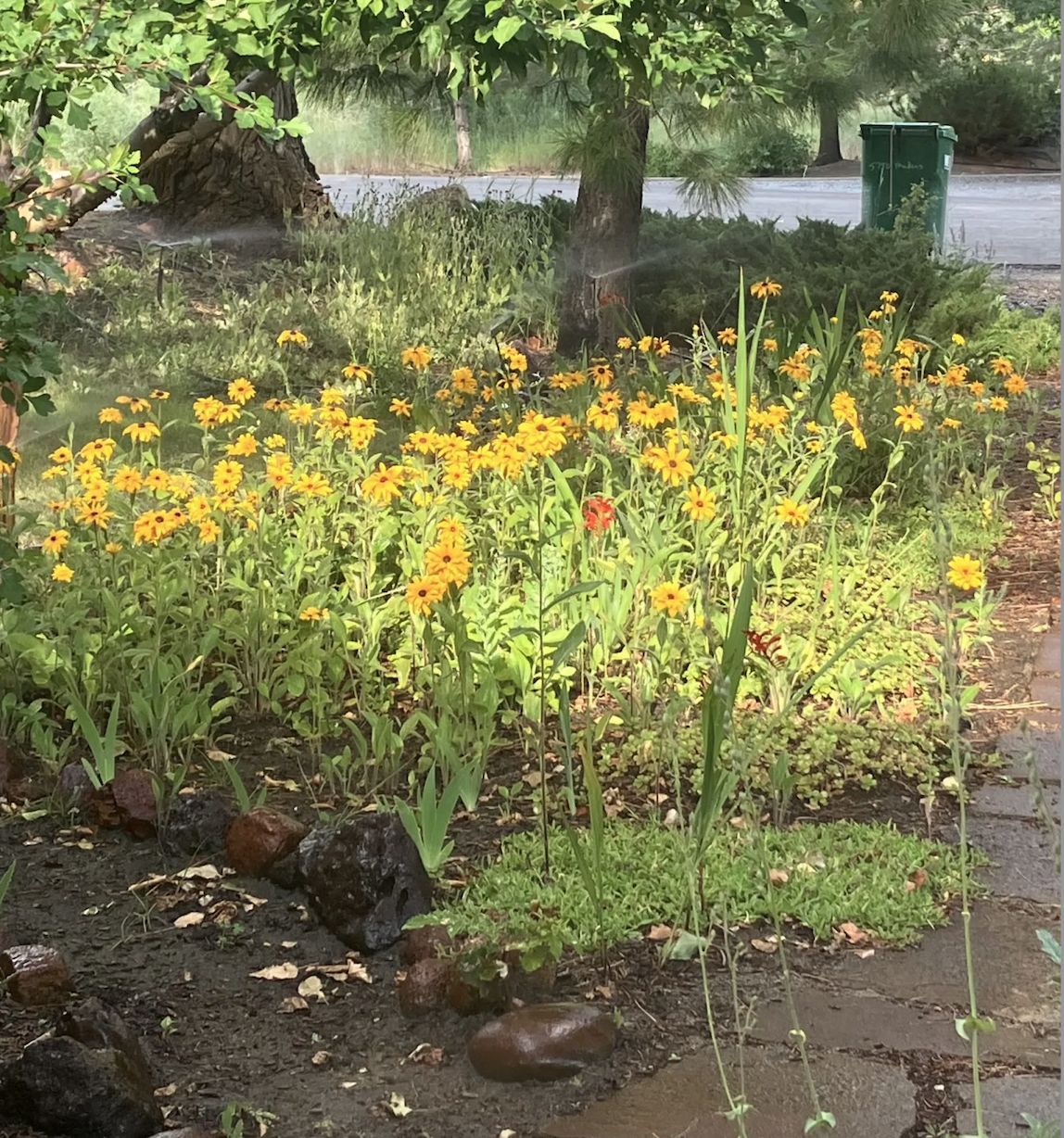
Happy new gardening year! Yes, I know it’s a bit early to actually start planting, but it’s never too early to think about gardening. Recently, I read an internet article about some 2026 gardening trends. The first one listed was “Chaos Gardening.” I laughed when I saw that, because who knew my 38-year-old lazy garden style was trending!

The article said that this year rigid garden rules and overly manicured yards (especially those with ‘little green meatballs’ – my words not theirs) are out. That’s been my technique for decades: less maintenance is better. “The idea is to throw caution (and your seeds) into the wind and then reap the beautiful rewards.” “Embrace a more relaxed, nature-first approach.” In 1997 my graduate thesis embraced chaos gardening, with a somewhat scholarly sounding title: “Integrating the Sustainable Landscape – Urban Landscape Design from an Ecological Perspective.”
I wrote then that “Urban landscape design can be repetitious to extravagant, lush to ridiculously sterile … not integrated with the natural environment around it. All too often artificial mounds covered with rock and junipers dominate.” Landscape design by definition is a system of imposed order, but rarely do we use it to complement the ecosystem in which we live.
An ecological approach to landscaping should attempt to maintain all the players within the system: insects for pollination; birds and animals for seed dissemination; and soil organisms to improve soil health and fertility. It should also incorporate water conservation in our arid environment.
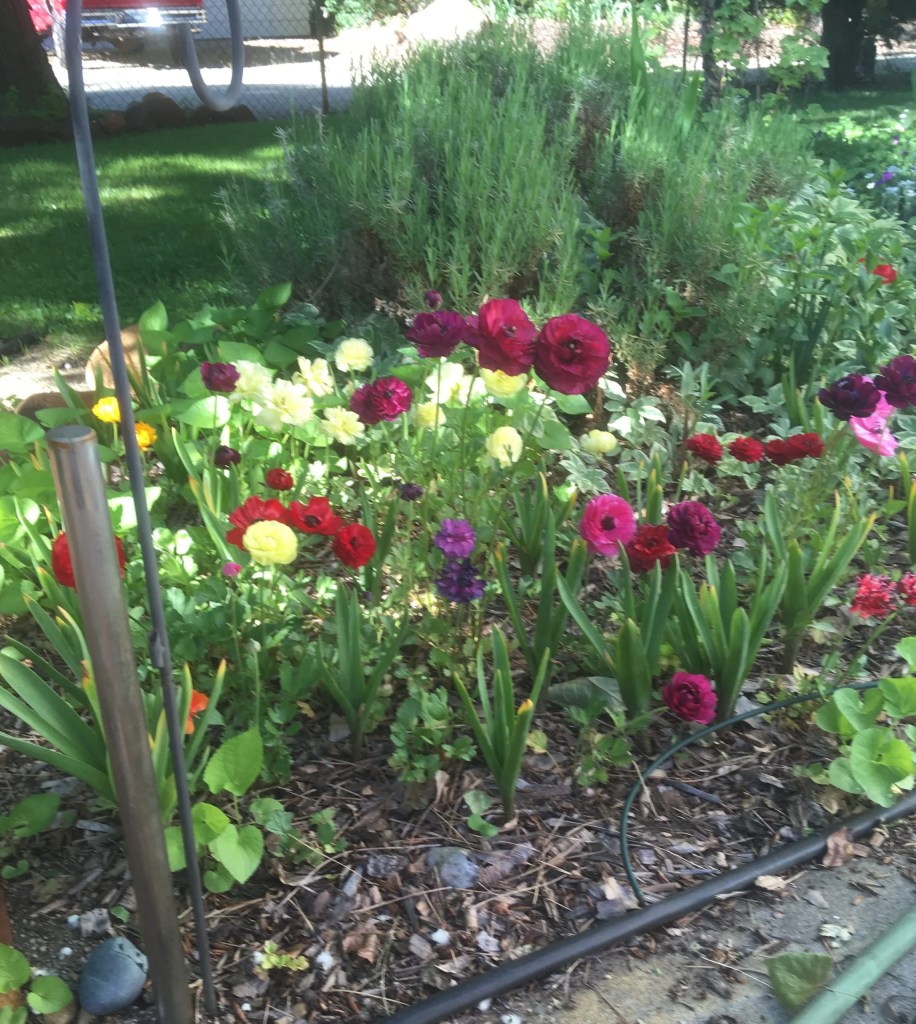
Chaos gardening, while sounding trivial is actually gardening for ecosystem health instead of for complete control. Reduce or eliminate lawn. Provide many more plants for pollinators and beneficial insects. Plant fewer hybridized flowers, which often do little to support native species. Plant edible, native and water efficient plants. Keep gardens less formal to supply habitat for insects, mammals, birds and other creatures. If you have to mow or weed whack, avoid fossil fuel driven equipment. Let some leaves stay on some beds as mulch to break down and feed the soil.
So, the idea of just throwing out seeds isn’t really accurate. There is actual planning that goes into successful chaos (sounds like an oxymoron). Yes, let more wildflowers grow, but don’t let invasive or noxious weeds take over. Mix flowers, herbs and veggies. Prep your soil. Water efficiently. Do light maintenance. Definitely mulch. Be willing to remove plants that don’t work out or are too aggressive. Keep aesthetics in mind but from a relaxed perspective. Then enjoy.
— JoAnne Skelly is Associate Professor & Extension Educator, Emerita at University of Nevada Cooperative Extension. She can be reached at skellyj@unr.edu.