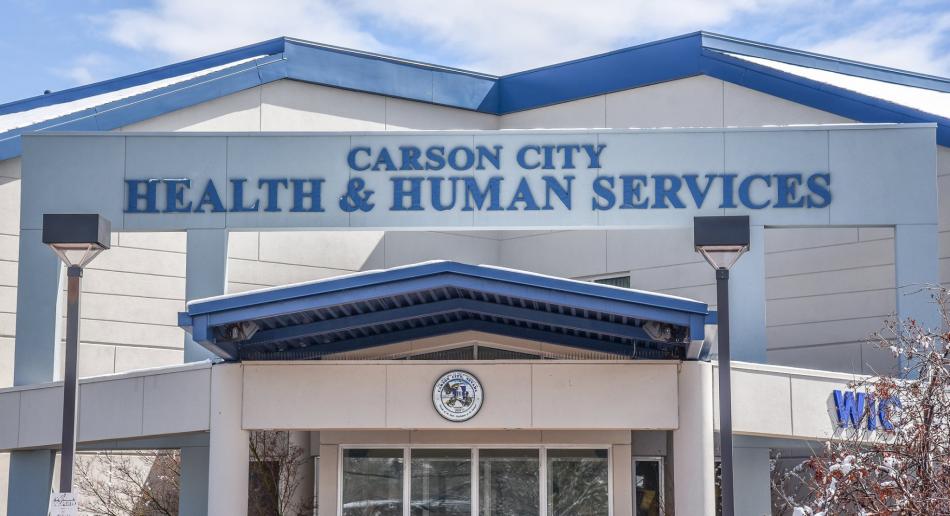

A new assessment of Carson City’s social services network reveals that housing, healthcare and behavioral health are the community’s most pressing unmet needs. The report will be presented to the Carson City Board of Supervisors and the Board of Health during their June 4 meeting. See more on that meeting below:
The Carson City Health and Human Services (CCHHS) Social Services Landscape Assessment (SSLA), which surveyed both community members and local service providers, highlights significant gaps in affordability and systemic barriers that leave many residents struggling to fulfill their basic needs.
The Housing Affordability Gap
Housing emerged as the community’s highest priority. The assessment found that 18.5% of surveyed residents worried about losing their housing in the past year, and nearly one in ten experienced a period without a place to stay. For those seeking help, long waitlists were overwhelmingly cited as the primary obstacle.
A major concern identified by service providers is the “missing middle” — residents who earn too much to qualify for housing subsidies, but too little to afford market-rate rent. This dynamic has created a trap where some individuals intentionally turn down higher-paying jobs or skip necessary medical treatments just to maintain their low-income status and keep their housing assistance. To combat this, local providers are calling for a coordinated effort to create long-term supportive housing paired with a 24-hour, low-barrier emergency shelter to get the most vulnerable off the streets.
Healthcare Costs Drive Care Delays
Healthcare ranks as the second-highest need, largely driven by soaring out-of-pocket costs. Four out of 10 respondents reported worrying about covering medical expenses. Consequently, one in five residents said they were unable to fill needed prescriptions, primarily due to cost. Providers noted that some clients resort to dangerous rationing, such as splitting a one-month supply of insulin over three months to afford it.
Transportation to and from medical facilities also remains a significant hurdle. To bridge these gaps, the report recommends implementing sliding-scale fees for low-income patients and forging formalized partnerships with local transportation organizations.
Behavioral Health in Crisis
Mental health and substance use challenges also plague the region, ranking third in overall priority. Over half of the respondents reported feeling depressed or anxious in the past year and roughly 20.4% experienced a mental health crisis. Despite the high need, only 13.2% of respondents successfully received behavioral health assistance. Those seeking help pointed to a severe lack of providers, long waitlists and unaffordable copays as major barriers.
Providers emphasized that behavioral health cannot be treated in a vacuum; successful recovery often relies on patients having access to supportive housing, employment and food — services that currently lack cohesive, cross-sector funding.
Food Insecurity and Workforce Struggles
Food insecurity affects roughly one in five respondents, with 21.6% worrying their food would run out. However, strict eligibility requirements at food pantries often deter individuals. Some residents described the experience of being turned away due to strict visit limits as “demoralizing,” with some opting to skip meals or ration their groceries rather than feel “policed” by the system.
Meanwhile, workforce development data showed that nearly 30% of working respondents feel their current jobs do not meet their needs, primarily citing low pay and a lack of benefits.
Systemic Collaboration Challenges
Behind the scenes, the city’s social service agencies are struggling to collaborate effectively due to limited resources. The report notes that local providers heavily rely on an informal network — described as a “mutual admiration society” built on personal cell phone numbers and trust — to refer clients.
However, unstable grant funding, continuous staffing turnover and fragmented systems frequently disrupt these vital safety nets. The SSLA strongly recommends that agencies move away from person-dependent networking and instead adopt formal memorandums of understanding (MOUs) and centralized referral systems to ensure vulnerable populations do not slip through the cracks.