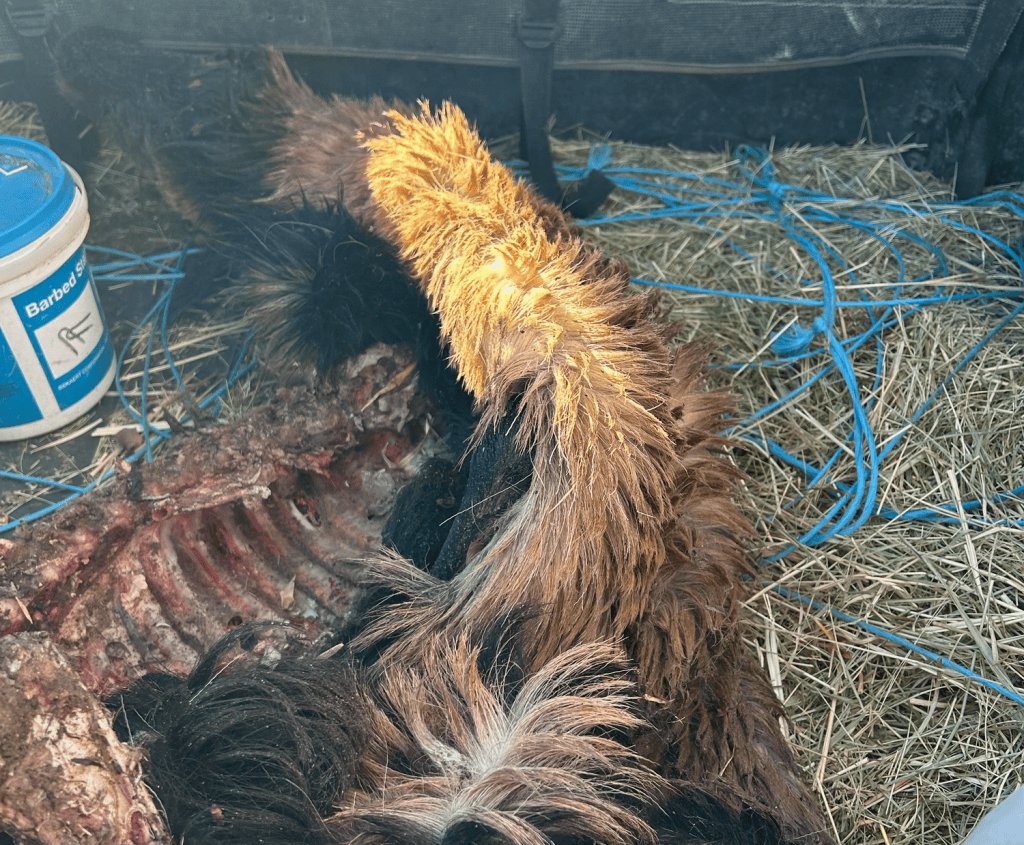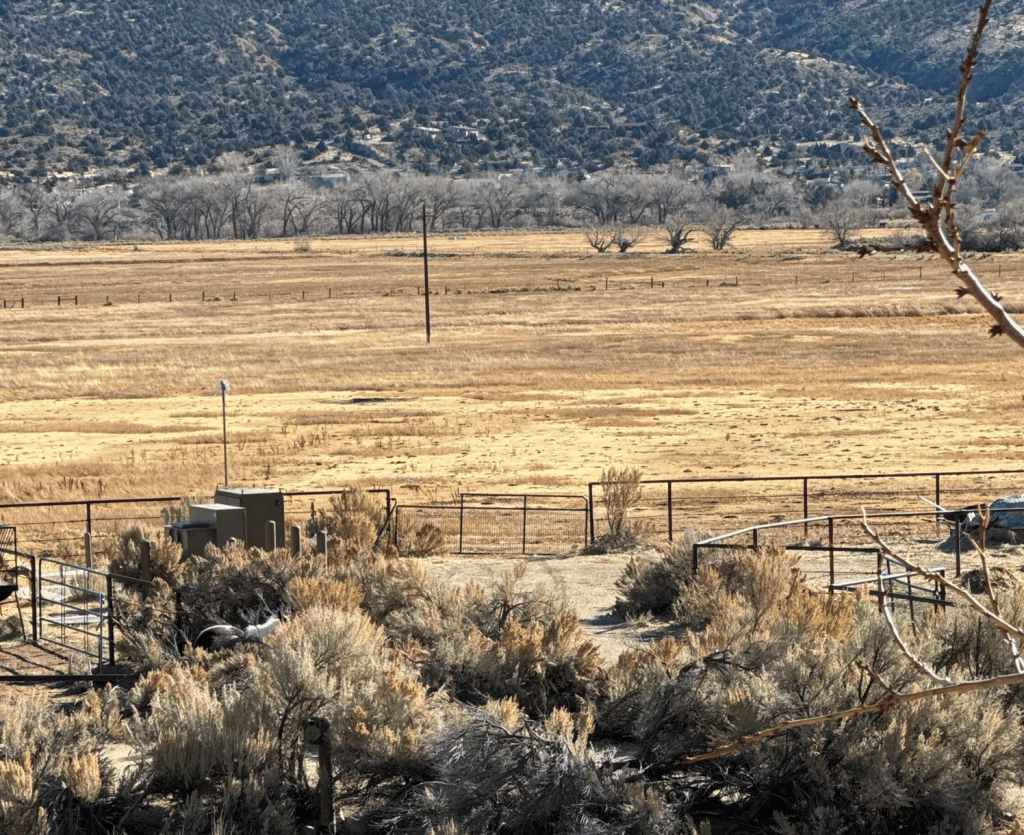
A local rancher says a mountain lion roaming the Mexican Ditch area in southeast Carson City on Saturday night killed one of his sheep. He said it happened in the area of Buzzy’s Ranch Road and Silver Saddle Ranch.
Clint DeWitt said Sunday that the mountain lion grabbed his sheep, pulled it over a fence and ate it under a cottonwood next to the Mexican Ditch Trail.
Neighbors are on alert as word began to circulate the neighborhood around Buzzy’s Ranch, with some neighbors saying they thought they saw the large wild cat in the meadows.
DeWitt noted that many people walk the Mexican Ditch trail area with their dogs and should be made aware of what happened. He said he was going to contact the Nevada Department of Wildlife to advise them of the situation.
Those who have seen a mountain lion should call the NDOW dispatch line at (775) 688-1331 to report them. NDOW will log the information and, depending on the circumstance, send someone to the area.
Mountain lions occupy areas with rocky terrain throughout Nevada, especially where mule deer live. Like most wild cats, they are solitary and tend to avoid areas with human disturbance.
Occasionally they will be spotted passing through the outskirts of urban areas where food is readily available. Encounters with mountain lions are rare and the risk of an attack is extremely small, according to NDOW on its website mountain lion link.
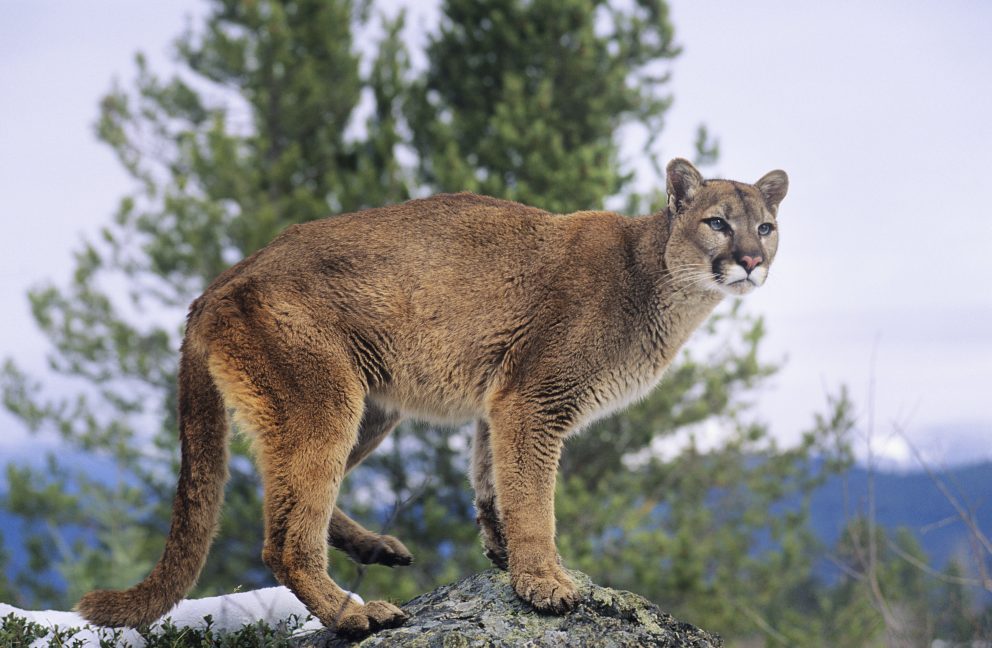
About three to four times the size of a bobcat, adult mountain lions weigh between 100-150 pounds. They can be distinguished by their long tail which is one-third of their total body length, according to NDOW.
Living in mountain lion country:
You may live in or recreate in lion country. Like any wildlife, mountain lions can be dangerous. With a better understanding of mountain lions and their habitat, you can coexist with these magnificent animals. To reduce the risk of conflicts with mountain lions on or near your property, we urge you to follow these simple precautions:
— Remove anything that might attract deer or other prey animals. This can include birdseed, pet food, trash or compost, water features, fallen fruit, excess shrubs, woodpiles, decks or other structures that can provide cover or a place to den.
— Do not feed deer. Make efforts to discourage deer from being present in your yard – deer are one of the top food sources for mountain lions, so if they are in your yard, a lion could be too.
— Install devices to scare away the lions such as motion-activated lights and/or sprinklers are a great place to start.
— Closely supervise children whenever they play outdoors. Make sure children are inside before dusk and not outside before dawn. Talk with your children about lions and teach them what to do if they encounter one.
Pet safety:
— Keep your pet under control. Roaming pets are easy prey and can attract lions.
— Bring pets in at night. If you leave your pet outside, keep it in a kennel with a secure top. Don’t feed pets outside; this can attract raccoons and other animals eaten by mountain lions. Store all garbage securely.
— Place livestock in enclosed sheds or barns at night. Close doors to all outside buildings since inquisitive lions may go inside for a look.
Hiking in mountain lion country:
— Stay alert when on the trails and do not wear headphones.
— Avoid hiking or jogging when mountain lions are most active – between dusk and dawn.
— Parents should supervise small children closely and teach them about lion safety.
— If you run across a dead animal, especially if it’s partially eaten and then covered with brush or dirt, move away. Lions return to their kills.