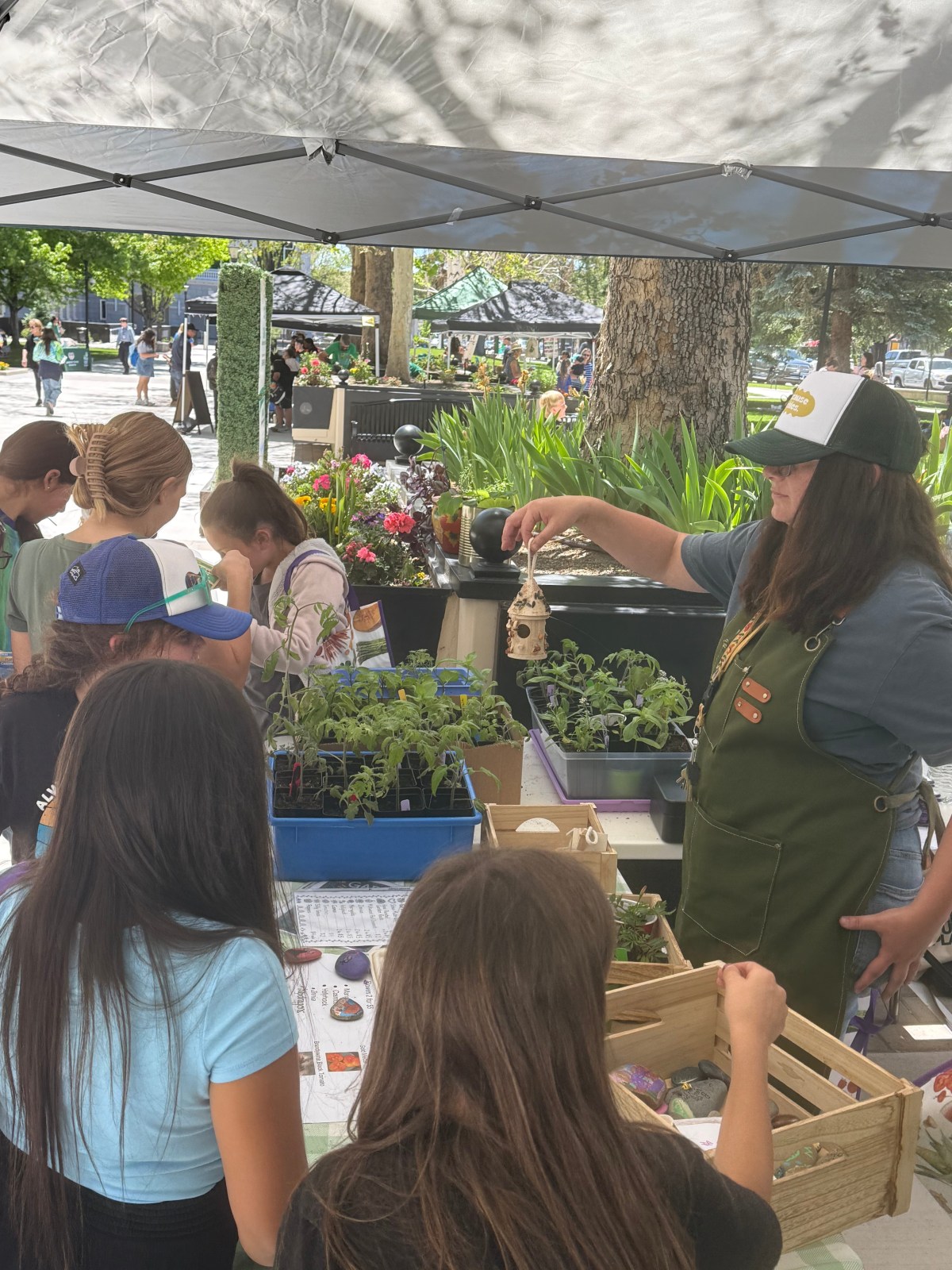
Today at the Nevada State Legislature grounds, students from 14 local schools transformed into seasoned entrepreneurs, or “Farmpreneurs,” for the annual Giant Student Farmers Market.
Hosted by the nonprofit organization Green Our Planet, the May 14 event allowed students to sell plants and produce they cultivated themselves directly to the public.
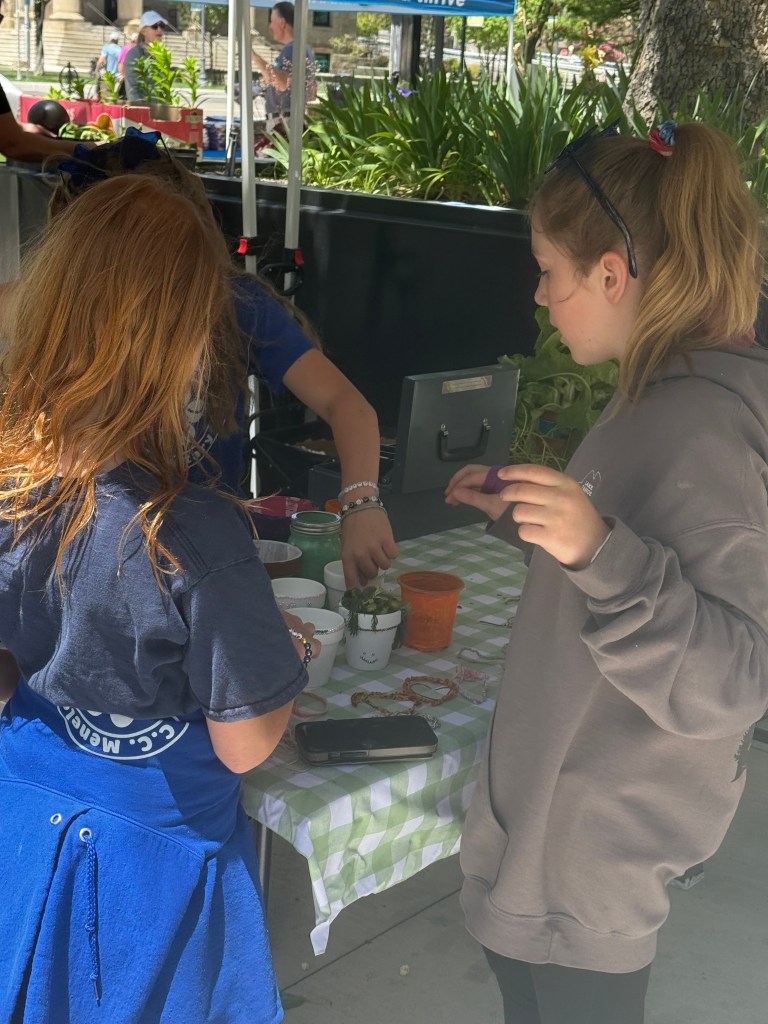
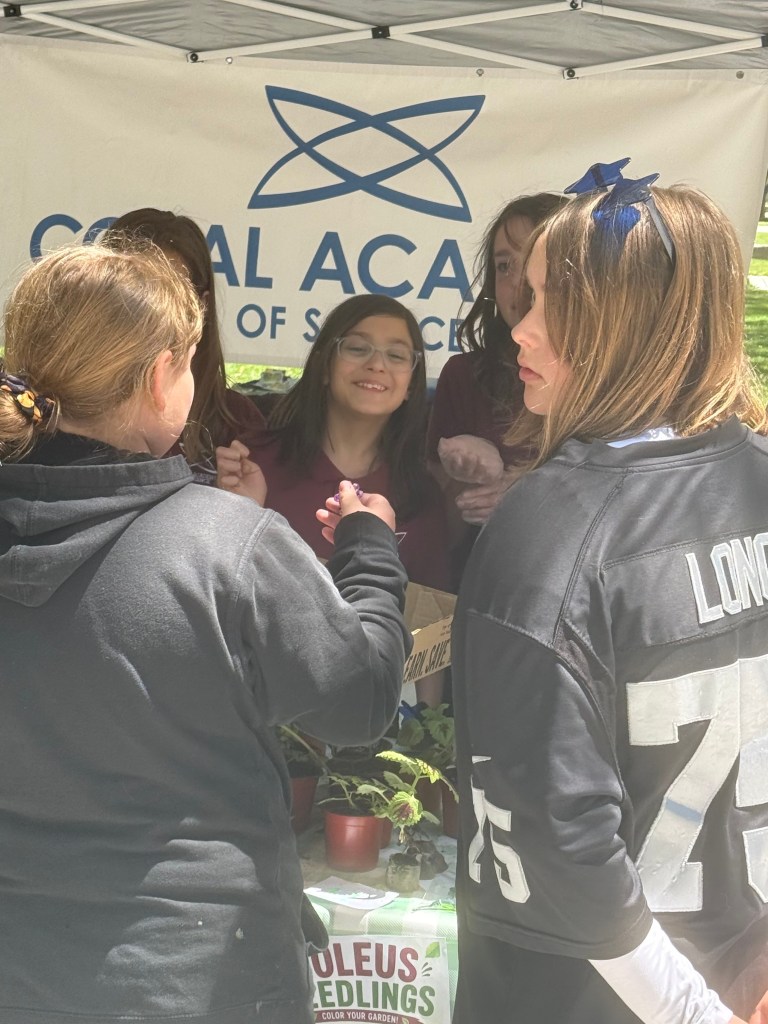
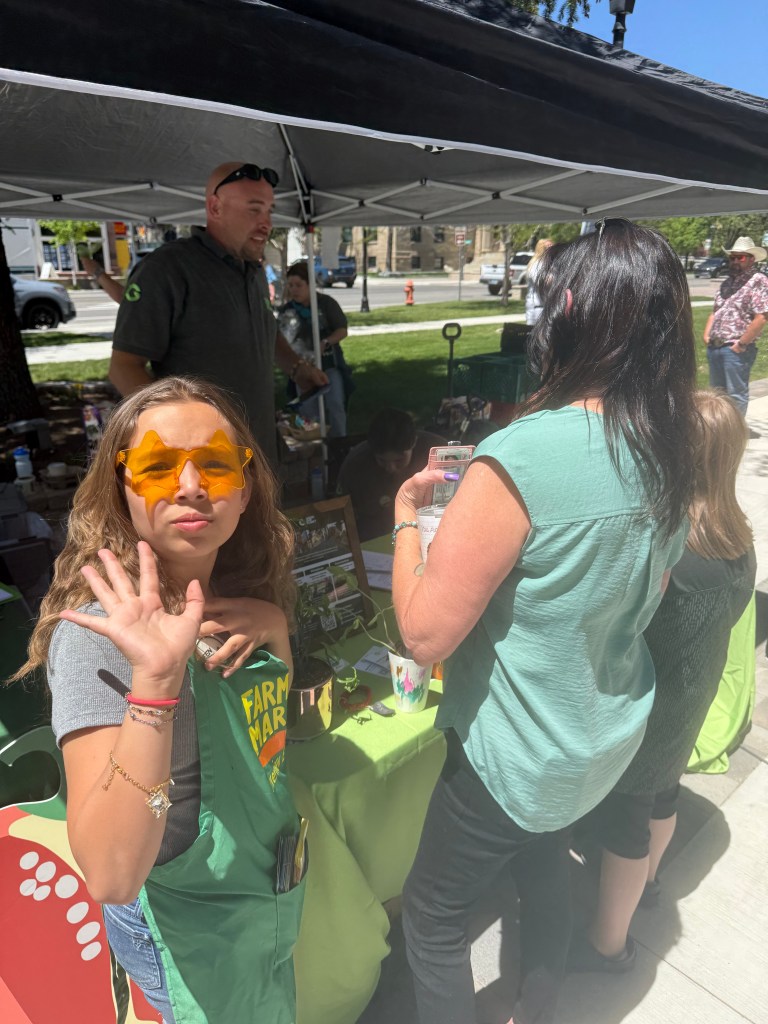
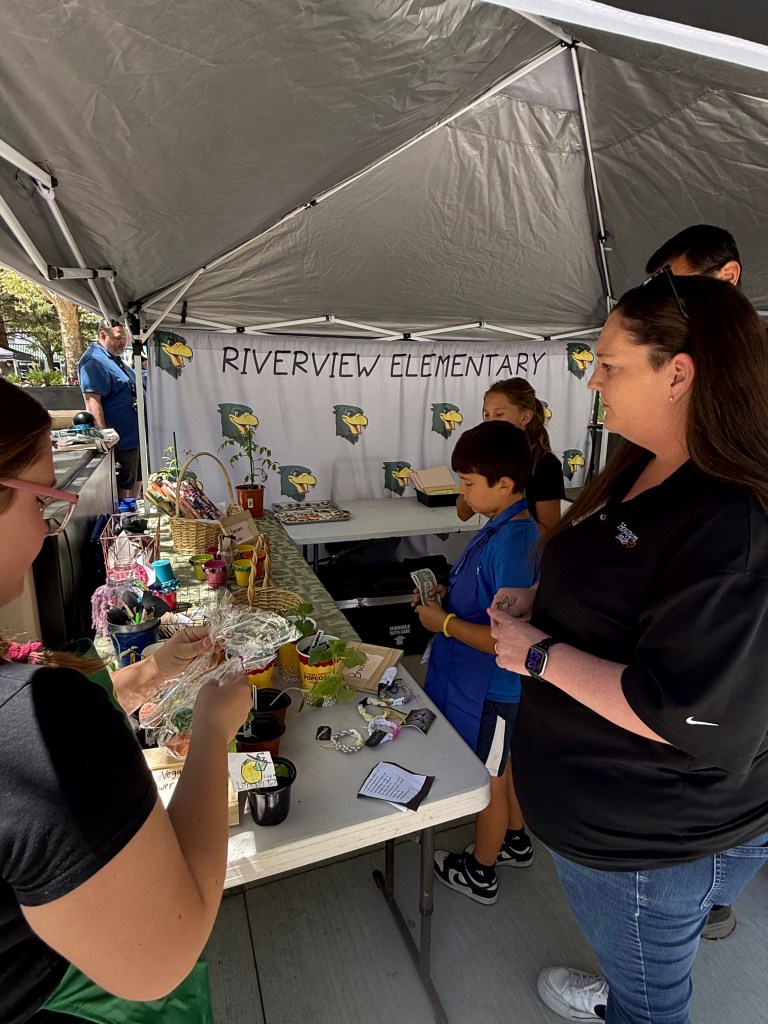
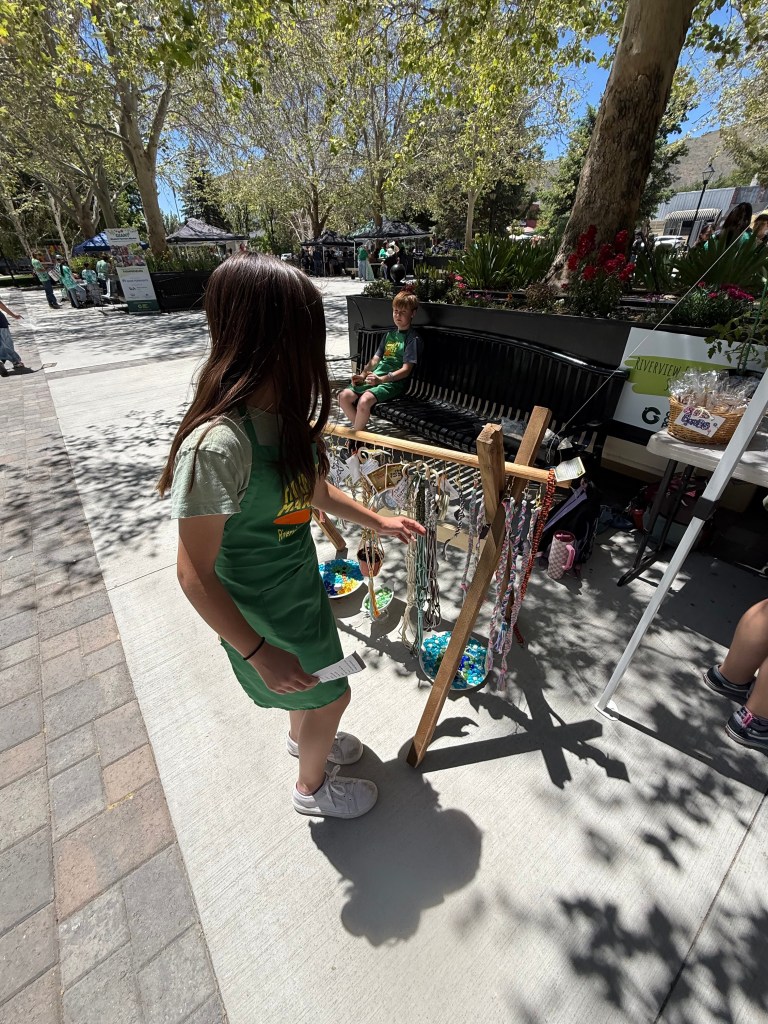

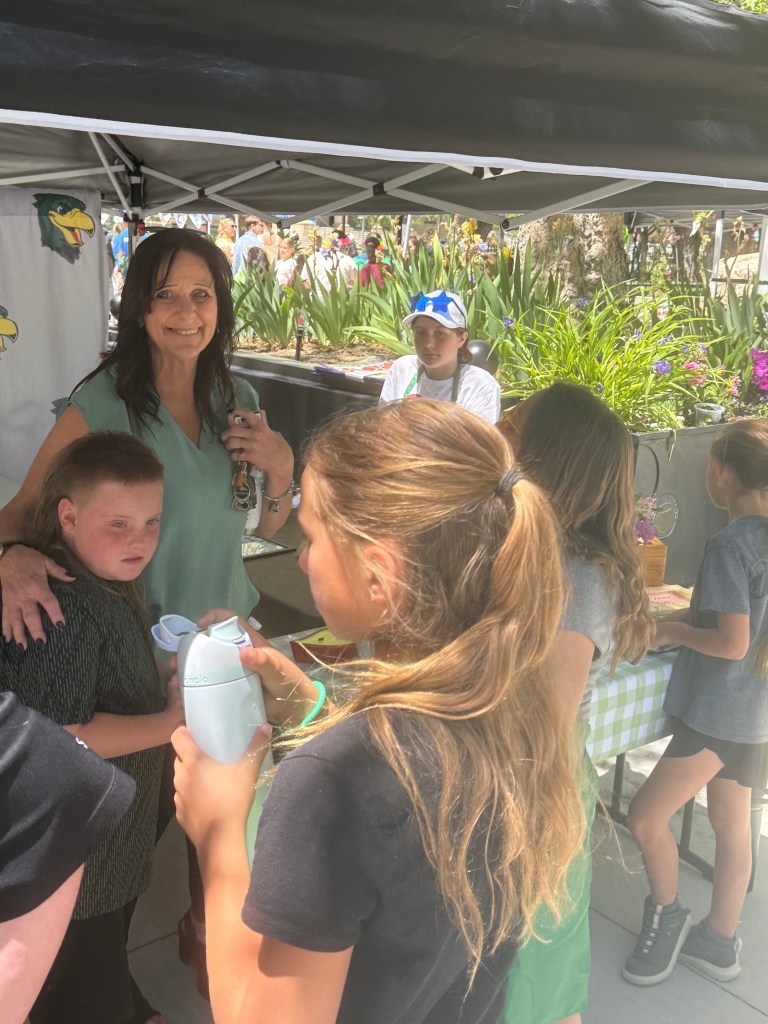
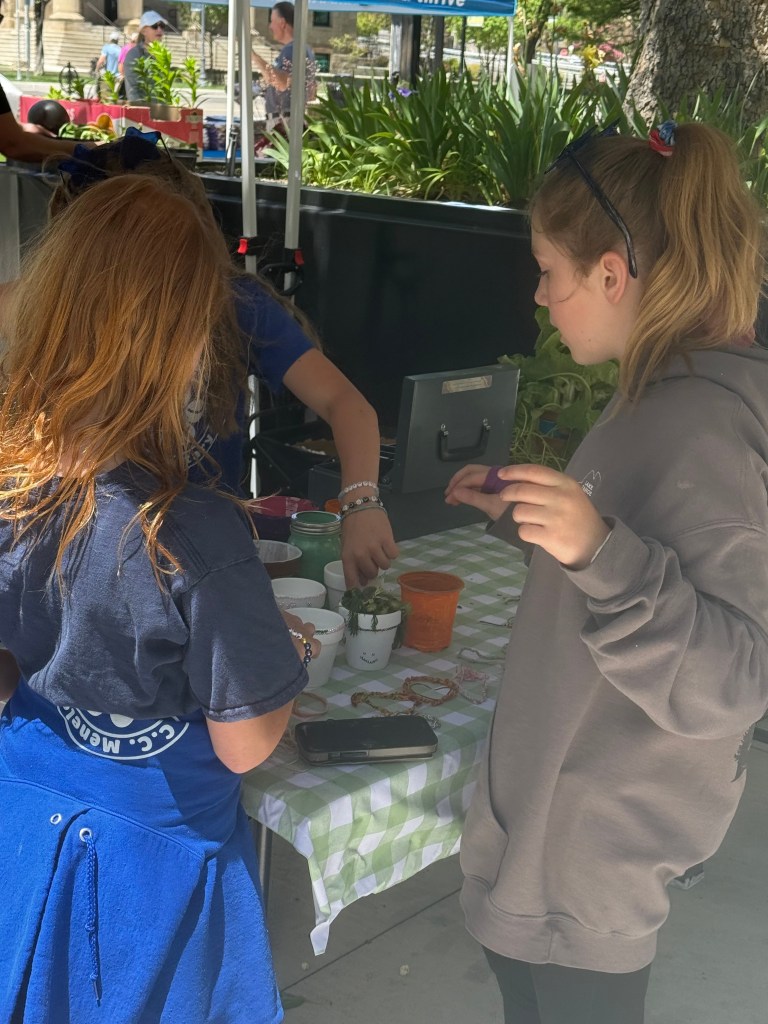
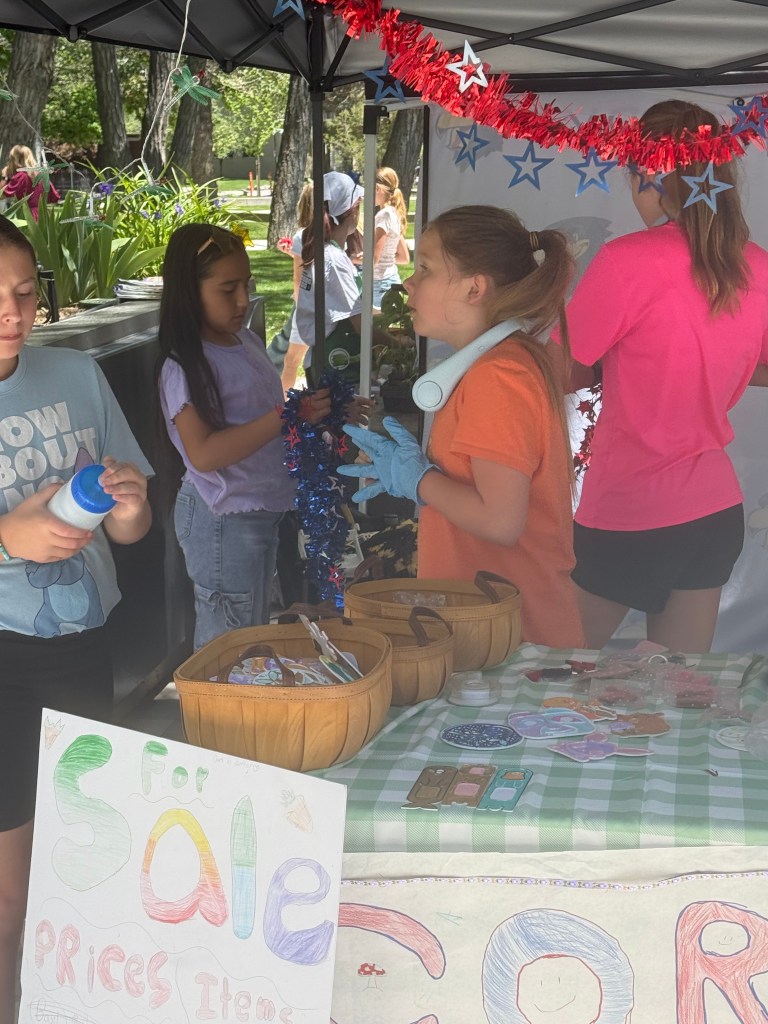
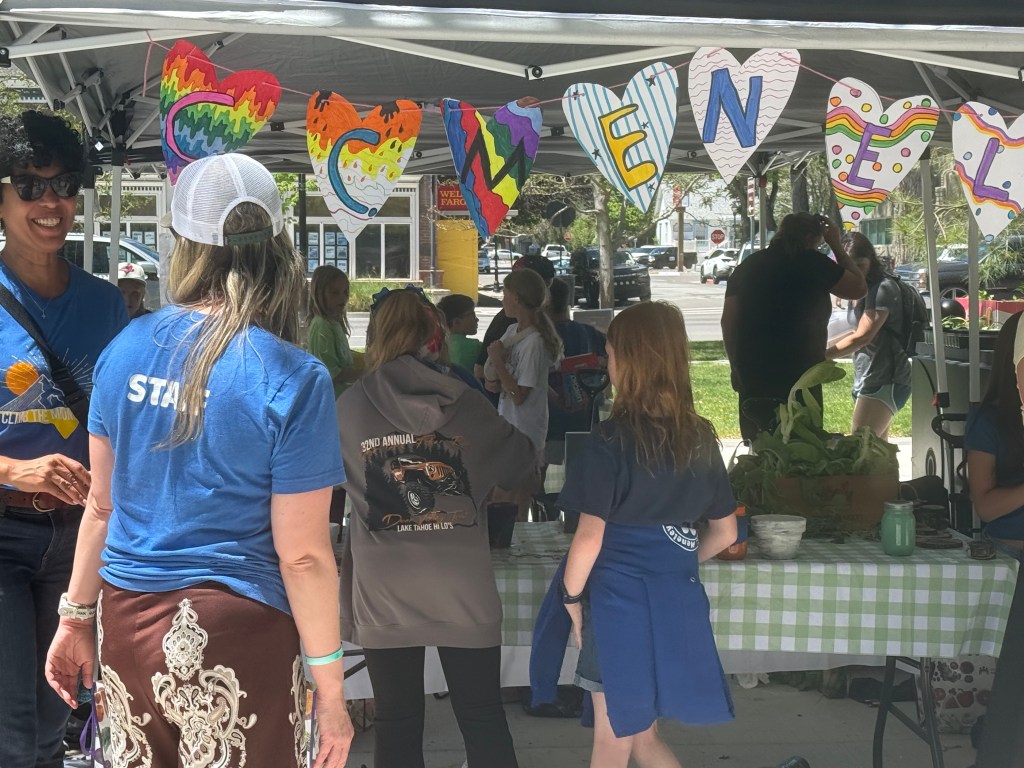
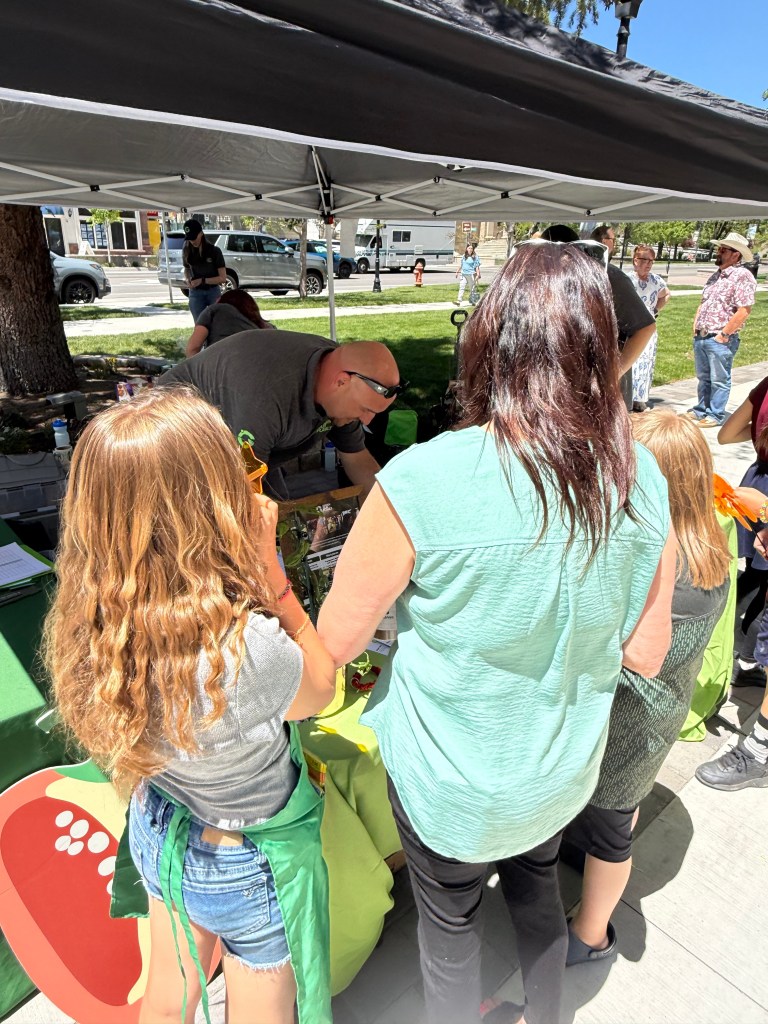
The market is now in its fourth year in Carson City and is the culmination of months of experiential learning in outdoor school gardens and indoor hydroponics laboratories.
Gabriella Prato, Special Events and Engagement Manager at Green Our Planet, said the program aims to teach students valuable real-world skills in science, agriculture technology, conservation, entrepreneurship, and marketing.
“We provide teachers with all the necessary resources, including STEM, financial literacy, and social-emotional lessons from pre-K through high school,” said Prato.
Green Our Planet operates the largest student-run farmers markets in the nation and provides the top STEMworks-accredited school garden and hydroponics program in the U.S. The organization currently reaches more than 300,000 students across over 1,100 schools in 44 states and five countries.
The initiative addresses a growing societal disconnection from food and nature, noting that children and teenagers currently spend seven to eight hours a day on screens while one in five Americans lacks access to fresh, healthy food according to the their website. Prato said this cultural shift and the program’s role in combatting it, stating, “I think many families, community members, teachers, and students are wanting to rebuild that connection with nature again.”
Through the program, students are able to compare the challenges and benefits of traditional outdoor gardens with indoor hydroponic systems. But the education extends far beyond agriculture, as the market serves as a practical application of the financial literacy lessons taught in the classroom.
“Through our financial literacy lessons, students learn about marketing, how to handle money, and how to properly treat customers,” Prato explained. “This ensures they arrive at the market prepared to sell their products and connect with the community.” The event also fosters peer collaboration, with students from different schools observed independently negotiating and trading extra plants with one another.
While the nonprofit heavily focuses on education—offering free access to their resources for all teachers in Nevada—it has recently expanded its reach beyond the classroom. Green Our Planet now operates through three distinct pathways: schools, workplaces, and communities. New community centers and workplaces are receiving hydroponics units to grow fresh food for their staff and local neighborhoods.
Despite the program’s massive growth over its 13-year history, organizers note the continuous need for local involvement. When asked what kind of support the organization needs to keep these programs running, Prato responded, “We rely on all types of support, and the participating schools definitely need community backing as well.”
She encouraged community members to attend the markets, volunteer, and spread the word to local principals and teachers so more schools can participate.
Ultimately, the market represents much more than just a fundraiser for these students. As the organization notes, the goal is not just the physical farmers market, but rather creating a powerful milestone where student learning, responsibility, teamwork, and pride are put on full display.