The Tahoe Regional Planning Agency (TRPA) Governing Board on Wednesday approved a critical update to the Lake Tahoe Watercraft Inspection Program to protect the lake from a new aquatic invasive species recently discovered just a few hours away from the Tahoe Basin.
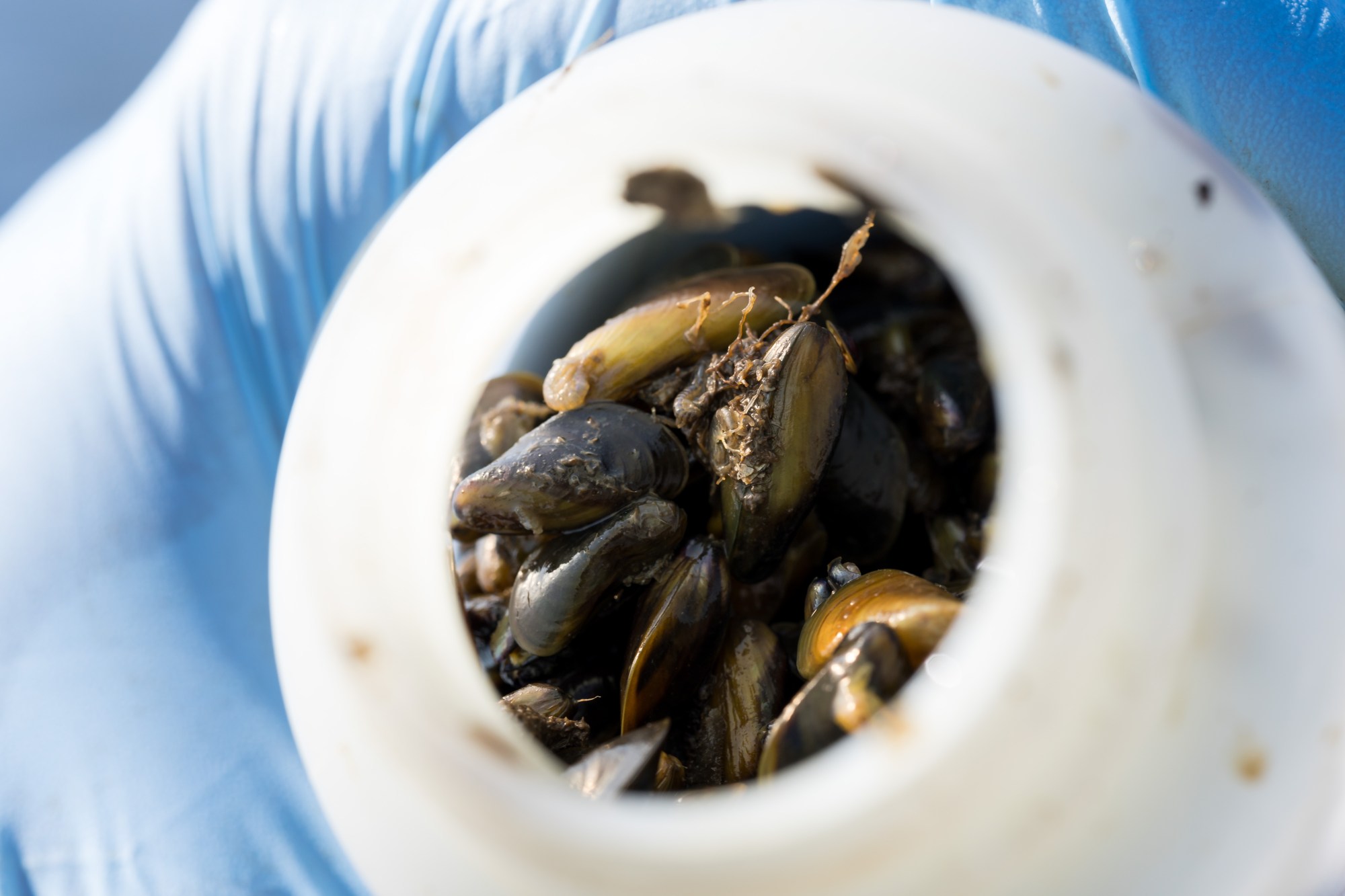
Invasive golden mussels were discovered for the first time in North America last October in the Sacramento-San Joaquin Delta of California. TRPA and Tahoe Resource Conservation District (Tahoe RCD), which manage the boat inspection program, strengthened inspection procedures to reduce the risk to Lake Tahoe.
On Wednesday, the agencies enacted mandatory decontaminations for all visiting motorized watercraft entering Lake Tahoe. The TRPA Governing Board approved an updated fee structure to support the additional services.
As new threats to Lake Tahoe emerge, the emphasis on following Clean, Drain, Dry protocols remains for all boaters, paddlers, anglers, and beachgoers. Golden mussels are not in Lake Tahoe, and following Clean, Drain, Dry protocols will reduce the risk of invasion.
The main change for motorized boaters traveling from other areas will be a watercraft decontamination following the mandatory inspection. As always, boats that were launched last in Lake Tahoe and have a Tahoe security seal can launch again without re-inspection.
“Boaters and paddlers have a key role in protecting the waters they enjoy,” said Dennis Zabaglo, aquatic invasive species program manager for TRPA. “Golden mussels are a greater threat to Tahoethan other aquatic invasive species. We appreciate the support of boaters and will continue working to keep the lake safe and accessible to all.”
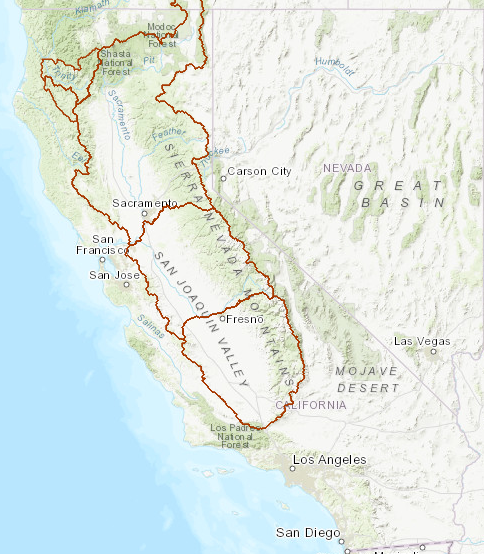
Since its discovery in Stockton, Calif., the golden mussel has been detected almost as far south as Bakersfield through connected water systems. To keep the risk to Lake Tahoe as low as possible, all motorized watercraft from other waterbodies will be decontaminated, which will increase the cost to operate the program.
Governing Board Updates Fee Structure
The Watercraft Inspection Program is a public-private partnership with one third of its funding from inspection fees and two thirds from public sources. The TRPA Governing Board approved a minimum decontamination fee of $30 for all visiting motorized watercraft needing an inspection to address the cost of increased decontaminations.
“These strengthened procedures are necessary to preserve Tahoe’s waters,” said Hayley Williamson, Chair of the TRPA Governing Board. “The introduction of golden mussels would be devastating to the lake, and the Watercraft Inspection Program is our frontline defense.”
By adhering to Clean, Drain, Dry protocols, boaters can limit additional increases to their decontamination fee.
About Golden Mussels
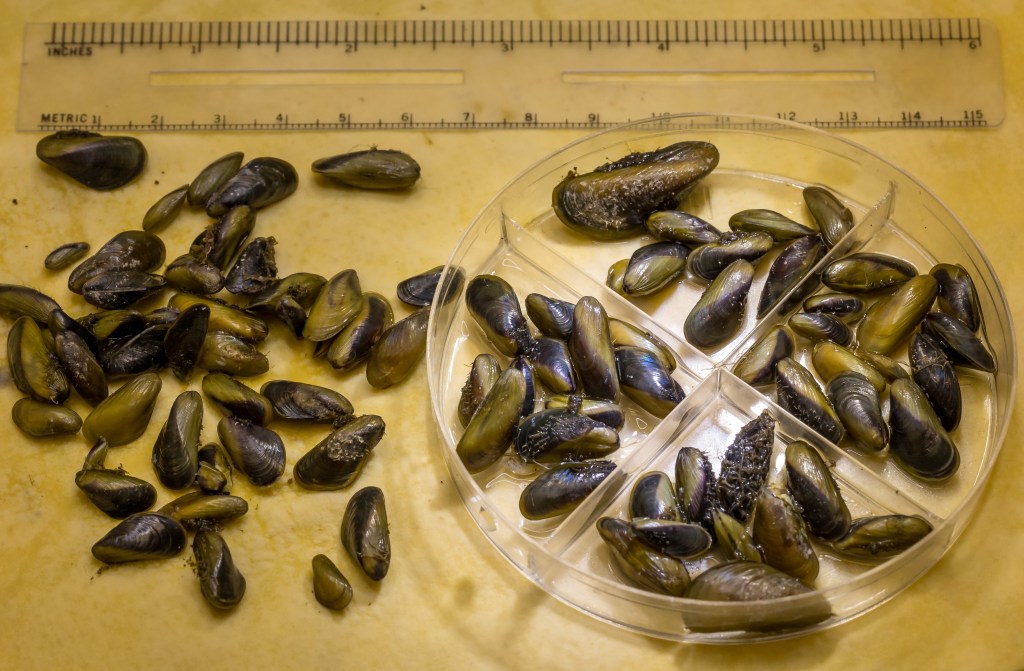
The golden mussel is likened to quagga mussels, an invasive species that the Lake Tahoe inspection program has successfully kept out of Lake Tahoe since beginning in 2008. Like quagga mussels, golden mussels can encrust boats, piers, rocks, and pipes. Golden mussels can also tolerate a broader range of habitats and can reproduce faster, making them more of a threat. If introduced, golden mussels could irreversibly harm Lake Tahoe’s recreation, water quality, and native ecosystem.
Areas outside the Tahoe Region have responded to the threat with temporary waterbody closures and 30-day quarantine periods. Invasive species prevention programs throughout the western United States are rapidly assessing protocols to limit the spread outside of California.
To view the updated fee structure, visit TahoeBoatInspections.com/stickers-and-fees.