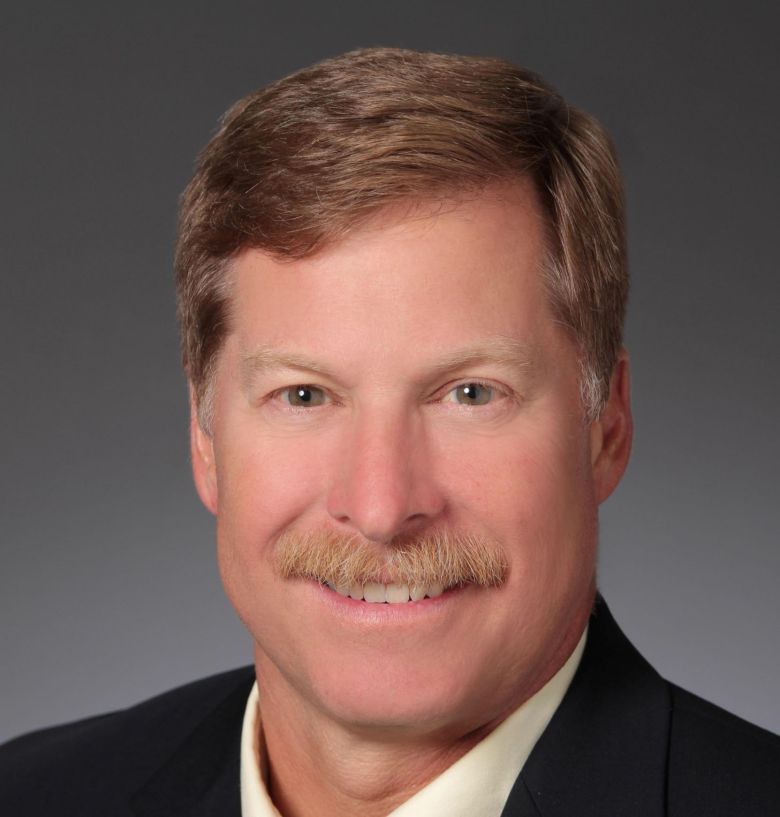
Big Brothers Big Sisters of Northern Nevada (BBBSNN) honored Carson City resident Tom DuBos as Big Brother of the Year at its annual Big Bash, citing both his mentorship of a local child and his advocacy for the organization in the capital city. His recognition comes as the nonprofit, now marking 25 years in Northern Nevada, works to expand mentoring opportunities in rural communities where volunteers and safe public spaces remain harder to find.
DuBos was recognized for his extensive contributions to local youth mentorship not only through his relationship with his “Little Brother” — the youth partnered with “Bigs” as part of the organization’s mentorship program — but through his advocacy for the organization as a whole, which has had its challenges reaching kids outside the Reno-Sparks region.
DuBos’s Little Brother is one of more than 20 adopted siblings in a household catering to children with high needs. While the boy’s literal communication style was often misunderstood at school, DuBos has helped him become a confident public speaker, wrestler, and singer by embracing his unique ways of communicating.
“It has been a joy and an honor to see his Little brother grow and gain confidence throughout their time together,” Program Director Erika Hopson said.
According to BBBSNN Marketing Director Ashley Muckway, the event coincides with Big Brothers Big Sisters of Northern Nevada’s 25th anniversary where DuBos was named Big Brother of the Year at the agency’s annual Big Bash, an event designed to honor a top Big Brother, Big Sister, and Partner-Match creating transformational changes for local youth.
DuBos has been matched with his Little for three and a half years, and while other mentors honored at these events have typically been matched for much longer, Muckway and Hopson said that DuBos was selected for the award because of his immediate advocacy for both his Little Brother and the agency as a whole.
“He jumped in right away and has just been an amazing advocate, not only for his Little but also for us as an agency,” Muckway said. As a Big Ambassador in the region, DuBos has been helping BBBSNN to expand their reach in the capital city to help more kids in the region.
“He’s created connections for us, especially within the Carson City community, and helped extend our impact there,” Muckway said. “He’s been a consistent and dependable resource for making referrals to other Bigs, and to other partnerships. He always remains humble, even as somebody who’s a pretty impressive guy in the work that he does — but any influence he has, he uses it just to continue to inspire others to make an impact in their own authentic way, and show up in their community.”
“It really means a lot to us to be able to recognize these volunteer Bigs who make our mission possible, because we literally couldn’t have the impact we do without them,” Hopson said. “It’s also a chance for us to take a moment to really pause and recognize the impact of all those seemingly small moments that these Bigs have when they consistently show up for their Littles — and it’s hard for them to see sometimes how all of those small moments, those four hours a month, can really add up to something truly transformational for so many Littles over time.”
DuBos’ local advocacy is even more important considering that the rurals have a much greater need for Bigs in comparison to the Reno-Sparks area which Hopson said is the strongest area for the program.
Ongoing needs in the rurals meet innovative solutions
One of the issues that the program faces is having accessible, public places for matches to hang out after school or on the weekends — a core component of the program for safety reasons. While Reno youth might have a number of activities or events to choose from, some rural communities have virtually no accessible public spaces that can be used for BBBSNN purposes year-round.

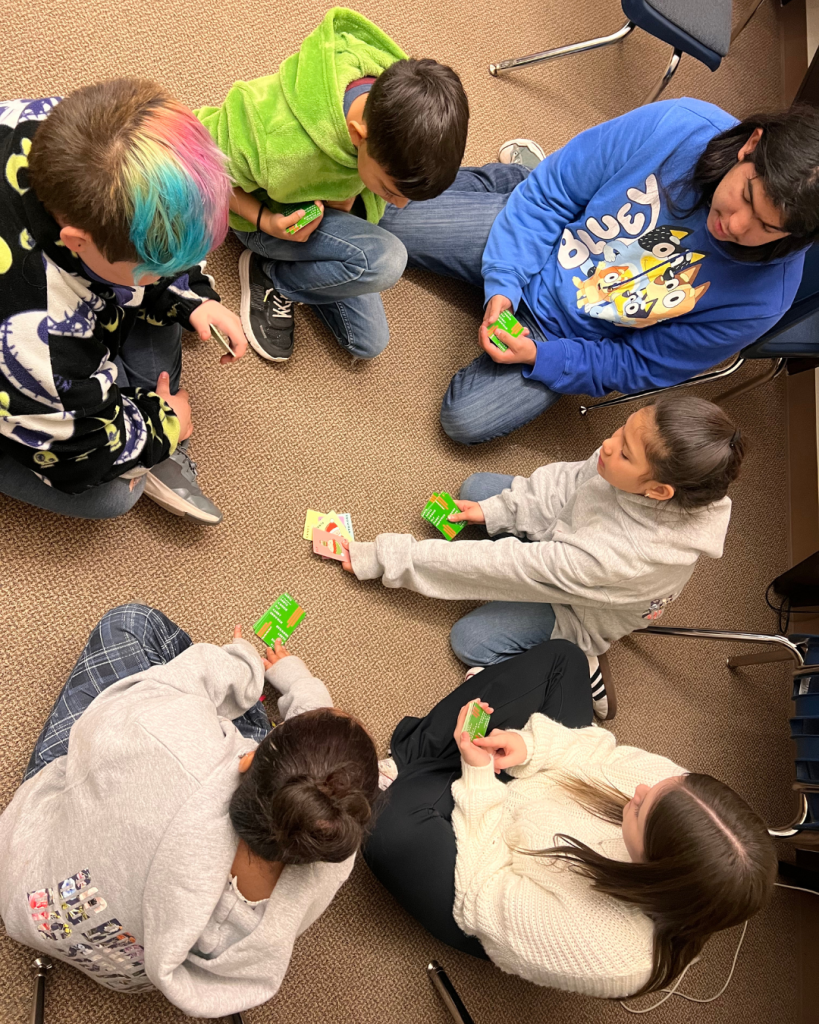
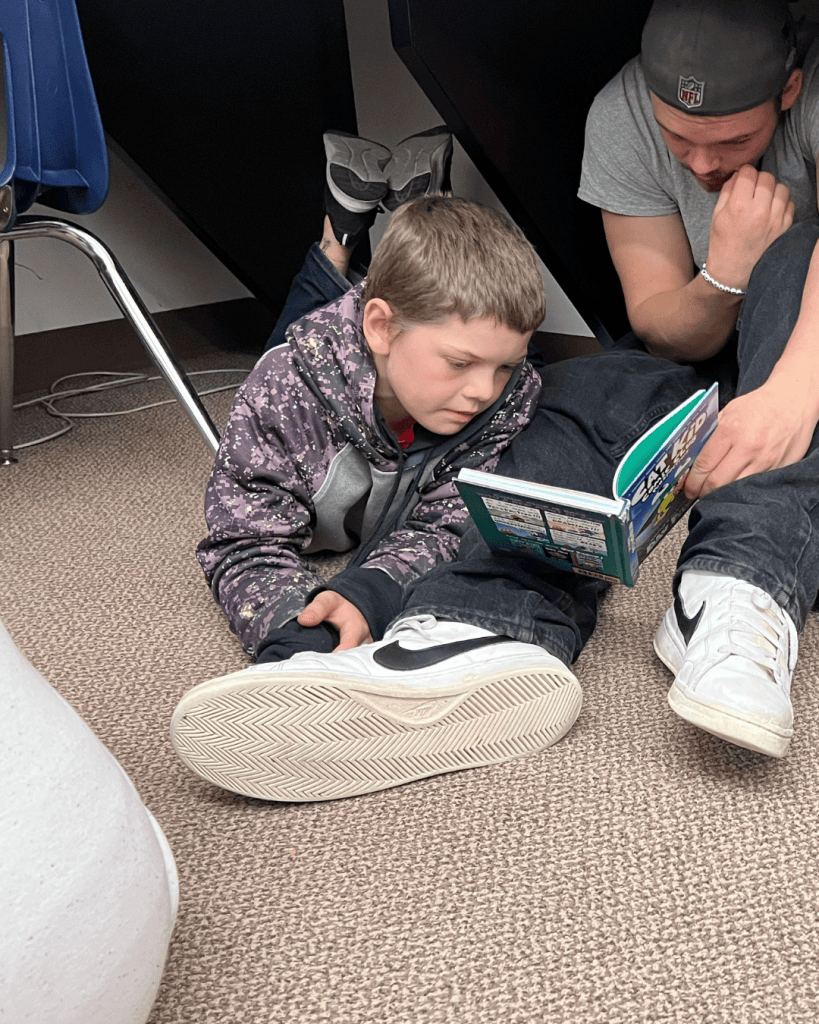

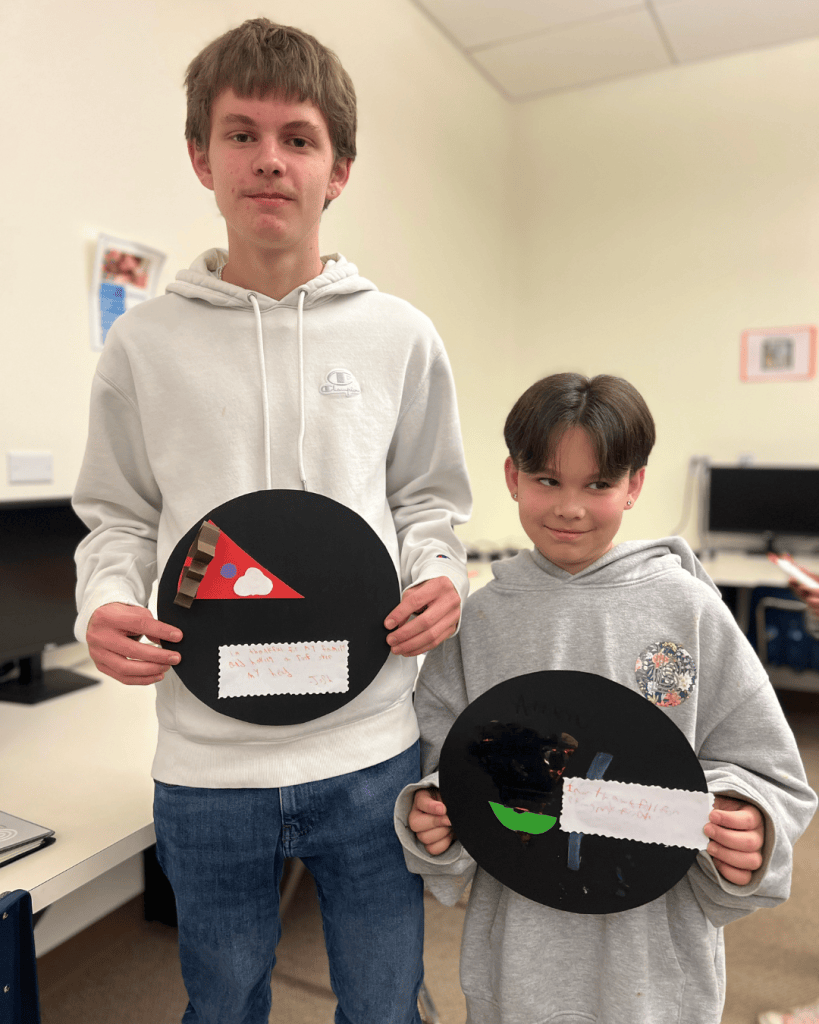

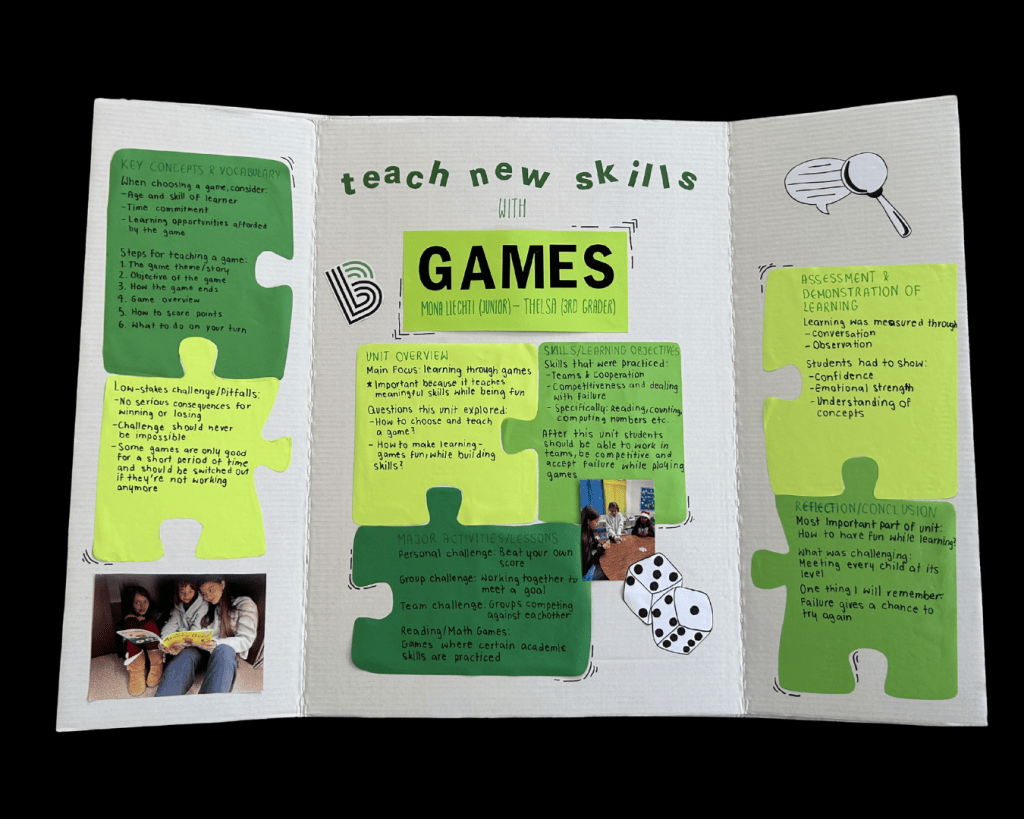
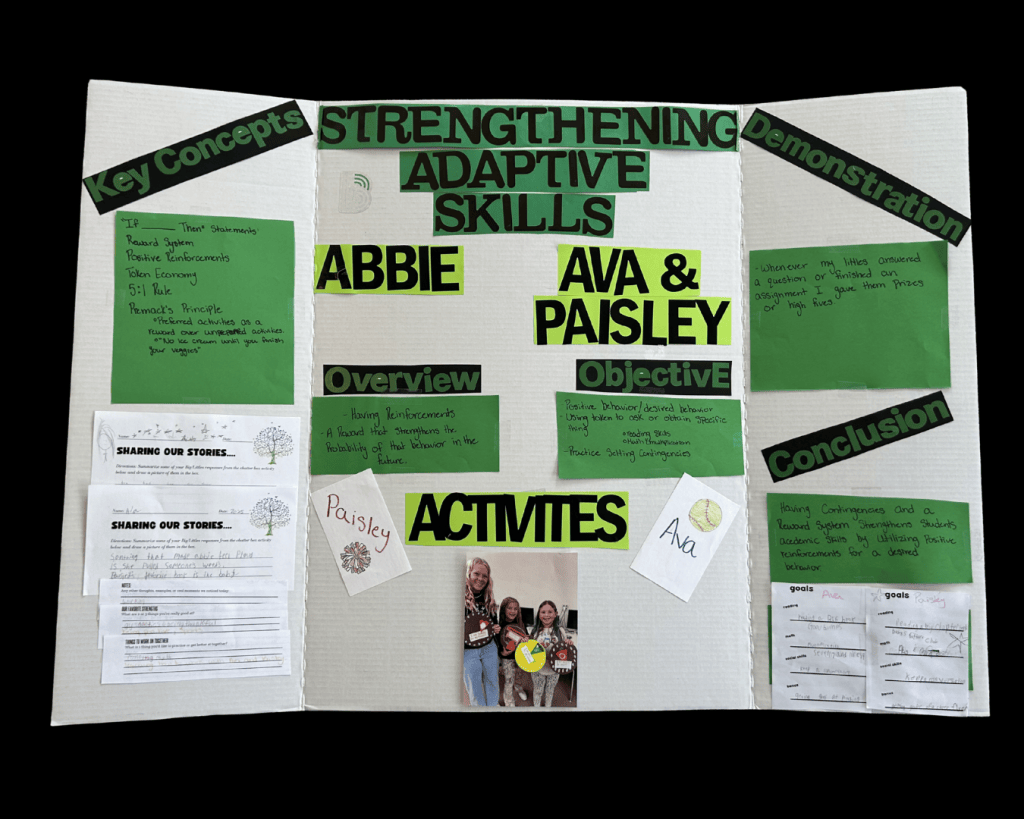

Despite this, Big Brothers Big Sisters is expanding its rural reach into Carson City, Fernley, and Dayton with some creative solutions: a recent peer-to-peer mentoring initiative in Dayton named High School Bigs paired high school and elementary students for structured, curriculum-based mentorship which has been deemed a ringing success.
“Having this peer-to-peer has been really exciting,” Hopson said. “We are giving [high school students] this experience in building their leadership and confidence skills. We’re giving them this experience of teaching, of learning curriculum and facilitating it through this mentoring experience. And then we’re impacting a whole group of elementary school students. So it’s a double whammy.”
Hopson said the program began as a 16-week program to start, but they’ve received positive feedback and will hopefully be growing into a full-year program.
However, Muckway wanted to make sure that Hopson and the initiative was highlighted as the game-changer they are for the program: “Erika’s being super humble. Not only are they expanding it to a full-year program next year, but there are other schools and rural areas asking for this program; we’re not ready to do it all yet, but the fact that it was so successful that other schools were hearing about it and asking for it just shows the need in rural communities for more mentoring that we’re providing, that we can’t necessarily provide one-to-one with adults, but we can provide in other ways.”
25 Years in Northern Nevada
While BBBSNN is celebrating their 25th year anniversary, the national organization has been operating for over a century so far.
“It was developed out of a desire from individuals tired of seeing a reactive approach to youth who didn’t have the best outcomes,” Hopson said. “So instead of seeing them go through what was a juvenile justice system at the time, they thought, ‘what if instead of waiting until they’re having these challenges, we had a more proactive approach?’”
The program serves children ages 6 to 18, primarily focusing on youth who have experienced adverse life challenges; however, the organization strives to accept any child in need.
“I would say we serve the youth that need it,” Muckway said. “If a youth needs a mentor, if there is any kind of need represented, we try to help.”
Northern Nevada ranks nationally for match longevity, with an average match length of 40 months. One recent match lasted for over nine years when the Little graduated.
The organization requires a minimum one-year commitment from volunteers, who spend an average of four hours a month with their Littles. According to Muckway, activities are kept accessible with Bigs asked to spend no more than $50 a month out of pocket.
The agency also hosts free activities and curates partnerships with local organizations throughout the region — such as the Discovery Museum and Jimmy Beans Wool — to provide equitable experiences for the matches. One recent event closed down the entire Discovery Museum for the day so that Northern Nevada Littles and their Bigs could have it all to themselves.
Prospective Bigs undergo a rigorous vetting process that averages 120 days to complete. This includes thorough background checks, fingerprinting, and a review of state and national sex offender registries and driving histories.
“Child safety is our number one priority, and we will not do anything to compromise that,” Muckway said. “Every single person who tries to enter our program goes through rigorous background checks and processes to ensure that child safety is our number one priority and is adhered to.”
For adults in Carson City considering volunteering, Muckway emphasized that the agency provides continuous guidance and training so that mentors never feel alone in the process.
“Being a Big is not, ‘hey, here’s your match and then see you later,’” Hopson said. “It is a learning, growing opportunity for you as a human, as an adult, and we are there the whole time. It is not set and forget. We’re there. Bigs are there. Become a Big.”
Anyone who is interested in becoming a Big, or questions about the program in general, can learn more about becoming a Big here.