Although there are occasional hot days still happening, it appears that the temperatures are starting to decline into the high 70s and low 80s over the next 10 days or so.

I took advantage of a couple of high 60s days to turn off the irrigation system temporarily. I put the schedule on manual and watered every other day until the temperatures went back up to the high 80s. I want the trees to start hardening off a bit before we have a sudden drop in temperature.
As the amount of water is reduced, their systems start slowing down. A slightly drought-stressed plant is actually more able to withstand sudden freezes. In addition, with less water there is less new growth. Since new growth is tender and easily damaged by sudden cold weather, any damage that occurs can really stress a plant out and reduce its ability to thrive through winter.
In years past we started watching for freezes in August in order to cover tomatoes. Here it is September and no freezing weather is in the immediate forecast. Therefore, I don’t want to encourage anyone to shut irrigation systems down yet. I do suggest reducing the frequency of irrigation cycles and the amount of water. An overly drought-stressed plant is not a healthy one either.
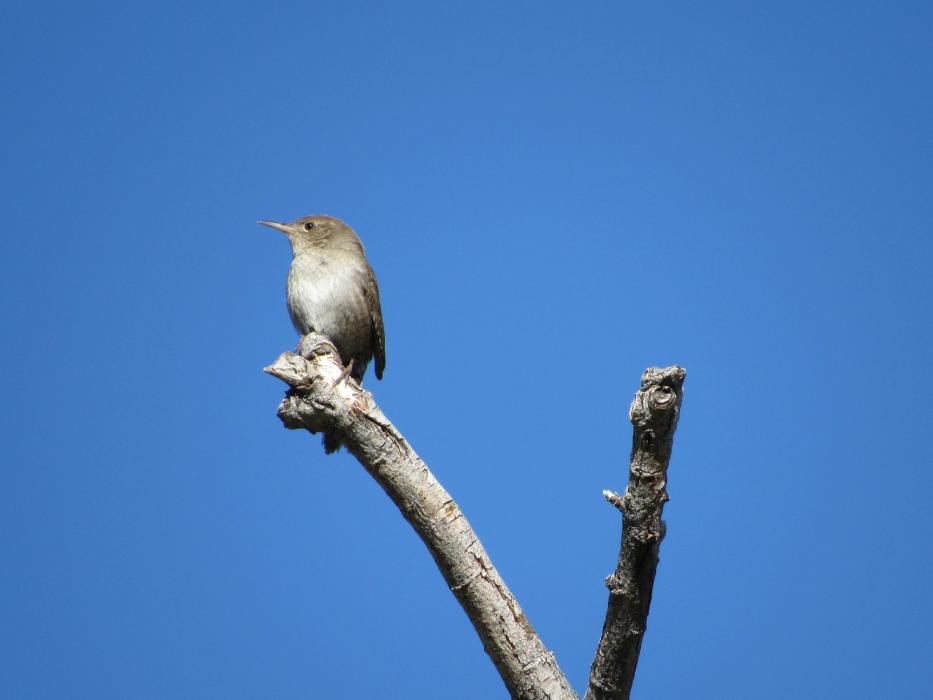
On another note, those readers who have followed my articles for a while know that I’m an avid birder. I planted the yard for the birds. I recently read an interesting article from the Northwest Nevada Bird Alliance (NNBA), formerly the Lahontan Audubon Society, about birds and fire.
In the recent fires, not only were people displaced, but also local birds. Food resources in fire area are hugely reduced, not only for our local birds, but also for migratory birds. They will be moving into non-burned areas, which means we can all assist them to stay healthy. According to NNBA (https://www.nvbirds.org/) doing the following will help take care of our feathered friends:
- Filling bird feeders and keeping them clean
- Putting out fresh water, cleaned daily
- Planting bird-friendly plants that provide cover and food
- Avoiding activities that could spark a fire
- Helping with natural habitat restoration post-fire
- Spreading the word so others can help birds too!
Check out their website for upcoming events, volunteer opportunities and membership in their organization.
I hope the rest of your gardening season is productive both for you and the birds.
— JoAnne Skelly is an Associate Professor and Extension Educator, Emerita, University of Nevada Cooperative Extension. She can be reached at skellyj@unr.edu.