
By Mayita Sanchez, Candidate for Carson City Board of Supervisors, Ward 3
I believe in public-private partnerships.
In fact, much of my professional work involves bringing government, private organizations, nonprofits, and funding partners together to solve infrastructure and community challenges. My doctoral research also focuses on public-private partnerships in Nevada and the governance, transparency, and public-value questions that come with them.
Public-private partnerships have the potential to accomplish incredible things.
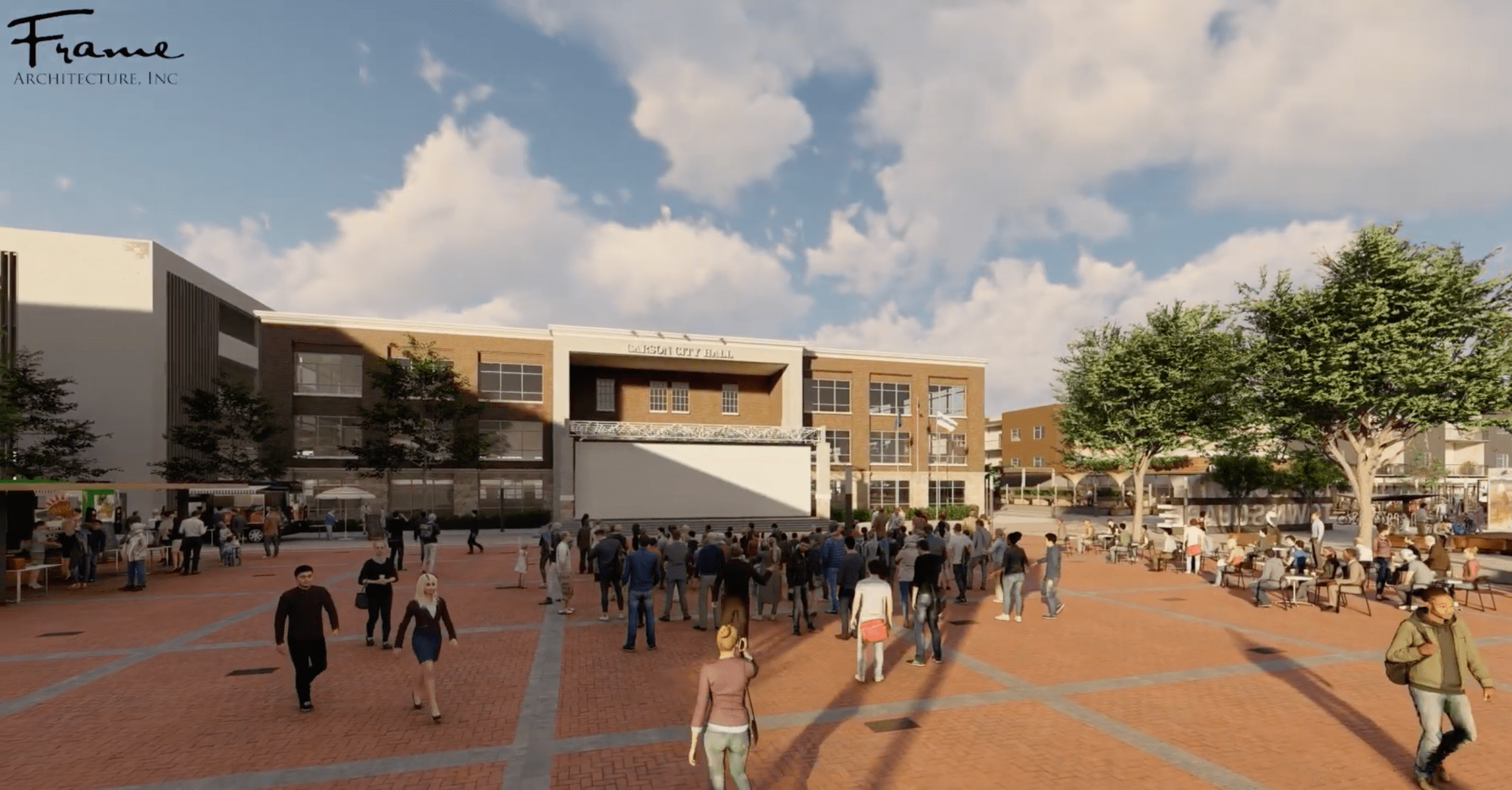
Yet, as the proposed City Hall project stands today, I cannot support it.
Over the past year, I have watched the Carson City Hall proposal unfold and have taken the time to dig into its history, supporting documents, and evolving terms. The more I have learned, the more questions I have about the process and how the City arrived at the proposal now before the public.
Most recently, a legal notice for the September 3 Board of Supervisors meeting contemplates a lease-purchase agreement of up to $30 million, extending for as long as 30 years, with available City funds, including the General Fund, identified as a potential repayment source.
City staff and the Board of Supervisors have partially presented alternatives and have explained why they believe the current proposal represents the best option. I respect the work and time invested by our City staff.
But telling the public something represents the best value is different from demonstrating it through an independent value-for-money analysis.
That is what our community should see before this long-term commitment is made.
A value-for-money analysis would test the assumptions, compare reasonable alternatives using consistent criteria, examine long-term costs, identify where risk actually sits, and determine whether the proposed partnership produces the best risk-adjusted value for the public.
There is also a larger question: Before determining the best way to finance City Hall, have we adequately considered whether City Hall itself represents the highest-value use of these public resources?
Could redevelopment resources generate greater returns by helping existing commercial properties come up to code, activating vacant buildings, supporting small businesses, or investing elsewhere in Carson City’s economic base?
Those are opportunity costs worth examining.
Over the course of this campaign, I have knocked on doors and talked directly with Carson City residents. I am hearing concerns about this project there too. That does not constitute a scientific sample of our community, nor does public concern prove that the proposal is a bad deal.
But it does tell me people have questions and that they deserve clear answers.
When I am elected as Supervisor to represent Ward 3, these are the questions I will bring forward in discussion on behalf of my constituents.
Carson City needs strong governance infrastructure around public-private partnerships. We need consistent expectations for transparency, independent analysis, risk allocation, public engagement, and value-for-money assessment so taxpayers are protected before long-term commitments are made. A promise that everything will work out is not enough.
My mom used to joke, “don’t trip, potato chip” – which usually meant “don’t ask me any questions, and I’ll tell you no lies.” But when public money and a commitment of up to 30 years are involved, we have to ask the questions.
Based on the information available today, if this proposal were before me for a vote, my vote would be no.
If we are opening the bag of chips, the public deserves to know what is inside.
Interested in having your voice heard? We want to hear from you!
Learn how to submit an Opinion Piece or a Letter to the Editors.