June is National Pollinator Month. Carson City was the first designated Bee City in Nevada, Bee City USA #76. The city hosts a month-long celebration each June to educate on how to protect local bees, butterflies and other pollinators.
This month is the second annual ‘Bee Kind Carson City’ Protect Pollinators celebration. Throughout the month of June, there will be a variety of pollinator themed education events to join. Bee City 76 hopes to see us all at their Pollinator Parade at the end of June. For more information go here.
Editor’s Note: Carson Now was at Saturday’s Pollinator Palooza event at the Nevada State Museum and will provide photos and information from that event soon.
Carson City is now also a Monarch Butterfly Bridge Community to encourage creation and maintenance of critical habitat that will allow monarchs to have the food and shelter they need to survive on their long migrations.
We as gardeners can do our part to encourage pollinators by planting pollinator gardens. Most pollinators prefer flowers that grow in full to partial sun, with some protection from the wind. Native plants, such as sulfur-flowered buckwheat, milkweeds, blue flax, lupines, penstemons and evening primrose are a few great choices for their drought resistance and hardiness.
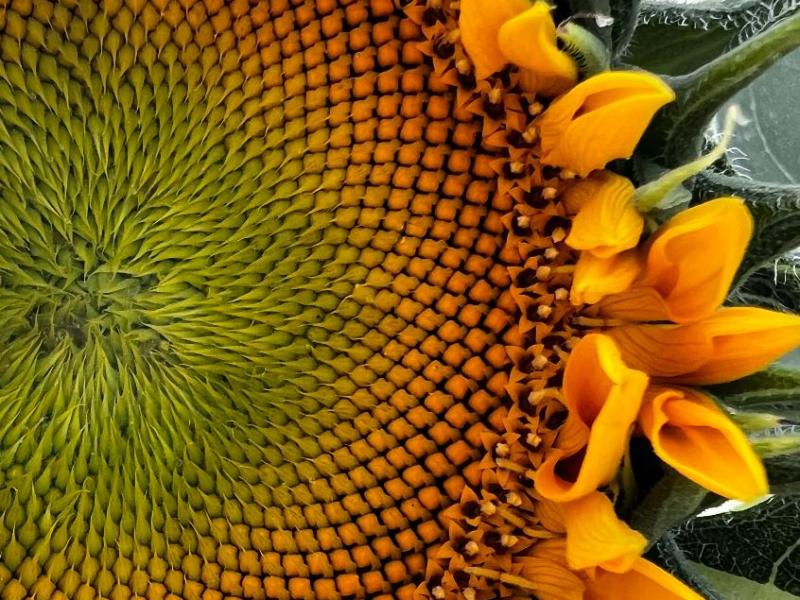
There are also ornamental plants that feed pollinators including bee balm, coneflower, sunflowers, lavender, agastache, catmint and more. The Carson City Bee City USA site referenced above has an extensive list of plants and suppliers.
We need to plant things that will provide nectar from early spring to fall by choosing plants that bloom at different times. As with every kind of garden, prepare soil by removing weeds, unwanted lawn or other plants and turning it to loosen it up. Plant your desired pollinator plants. Water them in and then continue regular watering according to their needs. Keep the area free of weeds so the new plants don’t have competition. Avoid using pesticides (herbicides, insecticides, fungicides, etc.), because these can negatively affect pollinator populations.
Thanks to a generous donation from the Sierra Desert Garden Club, the Carson City Parks and Recreation Department was able to plant a pollinator garden at Wungema House at the eastern edge of Mills Park.
There is a Bee City 76 community meeting June 27 at the Carson City Community Center from 11:00 a.m. to 12:30 p.m. to discuss flowers for pollinators and encourage new members to join. Refreshments will be served. Please RSVP by email to beecityusa76@gmail.com.
— JoAnne Skelly is an Associate Professor and Extension Educator, Emerita, University of Nevada Cooperative Extension. She can be reached at skellyj@unr.edu.